Rather fittingly for a trip up north, the day we went to Edinburgh was the precise day I realised autumn had properly begun. By 7pm on an October evening, the city was dark and windy, with a real nip in the air as we ventured out for dinner.
Small and perfectly formed: Novapizza adds warmth to a chilly evening
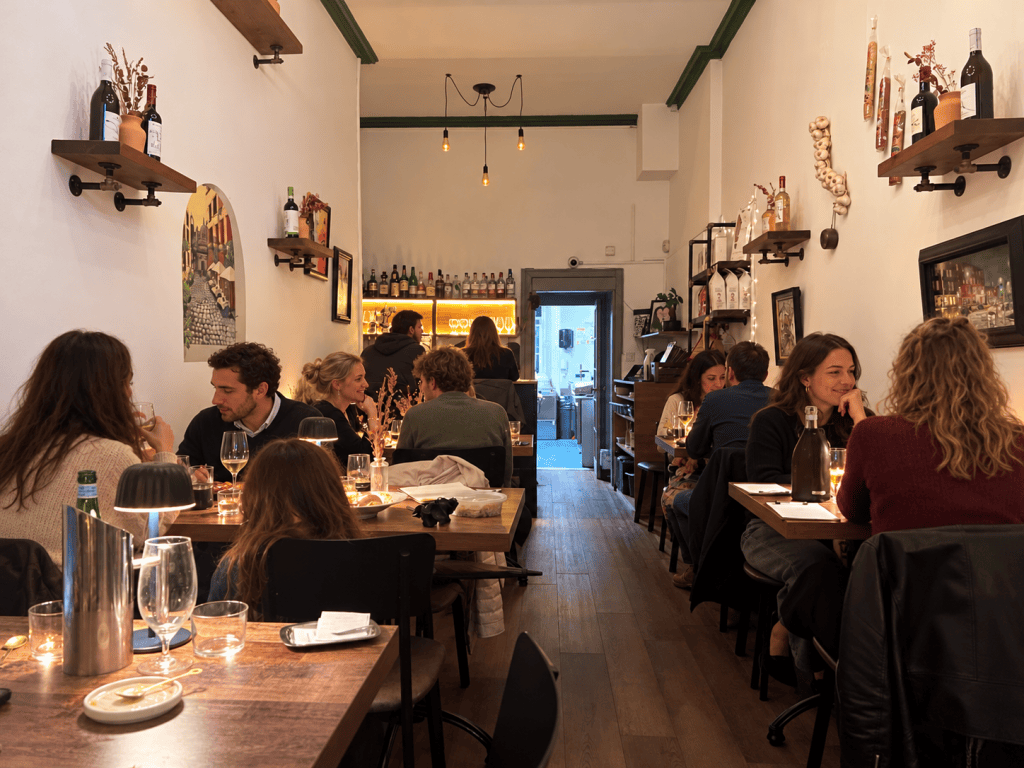
Walking into Novapizza Vegan Kitchen felt like the perfect antidote to the chill outside. Intimate and cosy, but without feeling cramped, we arrived to a gentle buzz of conversation, music very much as a background and a mouthwatering banquet of smells.
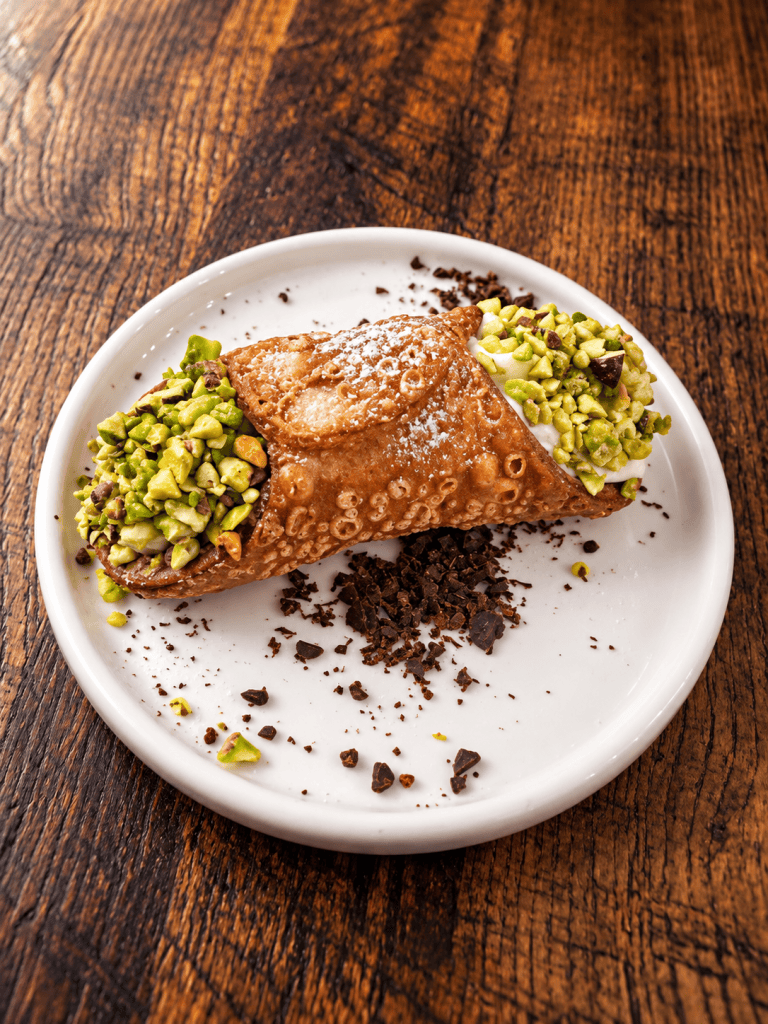
Cannolo: a tiny taste of Italy
But this is about the food, and let me start by saying that the menu here is superb. The emphasis felt firmly on the Italian flavours, with the fact that it was plant-based simply taken as a given. Reading the menu was enough to make the heart sing.
Knowing at a glance that I would need to leave room for dessert, I went for a taster of a starter. The mini Sicilian cannolo, filled with stracciatella cheese, pistachio butter and crumb, was an explosion of taste and texture. The crunchy fried pastry, the rich softness and creaminess of the cheese… and then those pistachios and the dark deeply umami crumb. Just delightful.
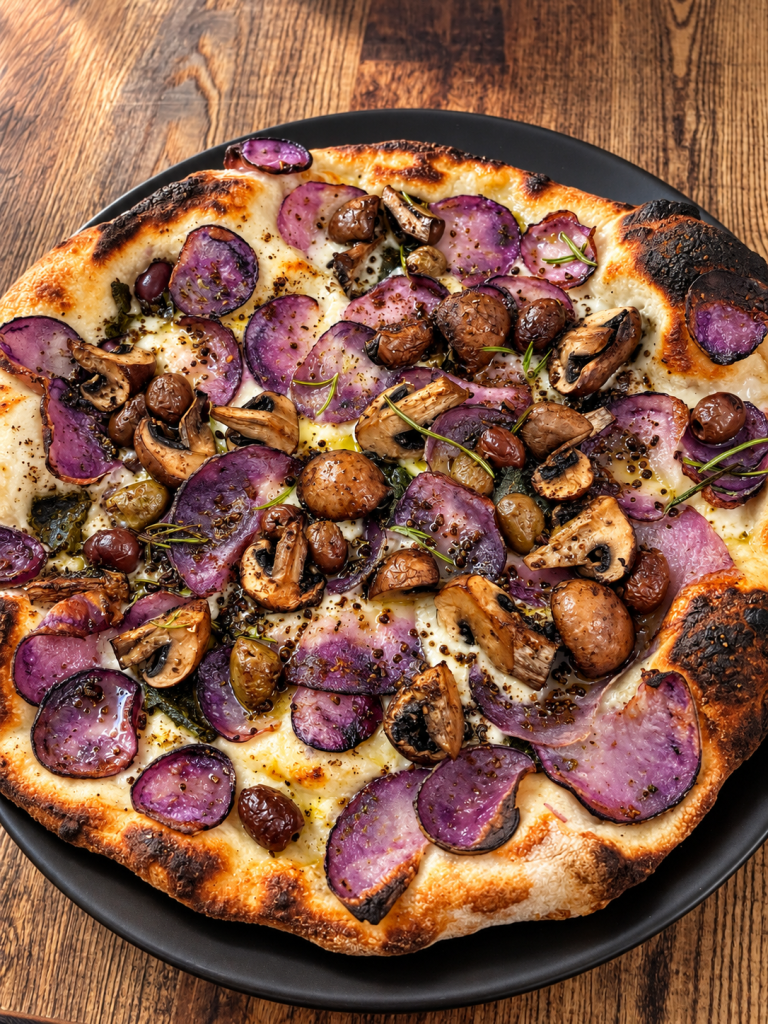
Sottobosco: a true stroke of genius
Established in 2015, Novapizza was one of Edinburgh’s early pioneers of plant-based Italian dining. Originally serving both vegetarian and vegan dishes, it became fully vegan in 2020 under Maddalena Pezone, drawing on traditional Roman cooking.
The menu goes well beyond pizza, with Italian classics such as carbonara, tiramisu and cannoli all given a plant-based twist. The restaurant has also earned recognition for its cooking, winning Vegan Restaurant of the Year at The Food Awards Scotland in 2021.
That said, what vegan can resist a well-made pizza? I certainly wasn’t about to break the mould. Not normally a fan of olives, I was nevertheless tempted by the Sottobosco: a mozzarella base, black truffle cheese, mushrooms, purple potatoes, olives, rosemary and olive dust. Honestly, you couldn’t have asked for more. A crispy yet chewy base, the woodland flavours of the fungi, and those potatoes… perfect.
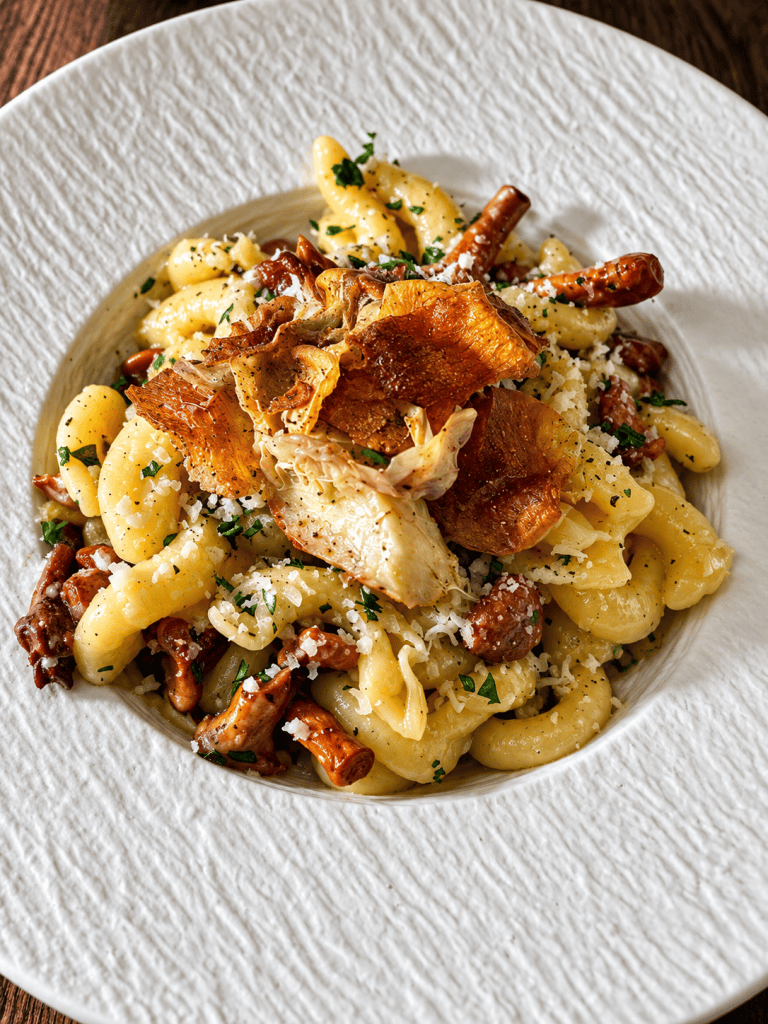
Strozzapreti Autumnali – a real mouthful
Pasta choices were equally enticing, and my companion chose what I would’ve picked, so I got to see it at close hand. Strozzapreti Autumnali – handmade twisted fresh pasta, serve served with sautéed Girolle mushrooms, and artichokes.
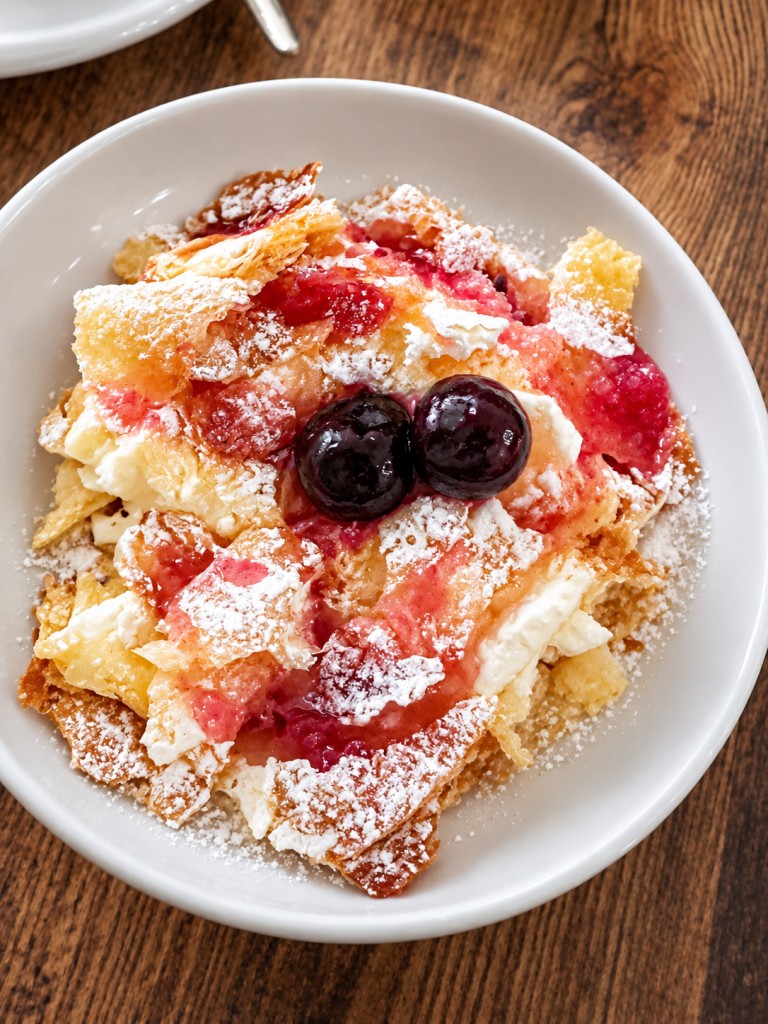
Sbriciolata: with the choice of black cherries or chocolate
Desserts included the fairly traditional tiramisu, torta nera and affogato al caffè, but I was sold on the description of sbriciolata. Puff pastry layered with cream and black cherries or chocolate. Hell yes. As you can see, I went for the cherries, and, oh what a treat, with an irresistible combination of crunchy, flaky pastry, soft cream and sour cherries.
Service deserves a mention. Our waitress, who was also the restaurant owner, was knowledgeable, interested and professional. The chefs managed to produce the food in a timely manner without us feeling in the slightest bit rushed.
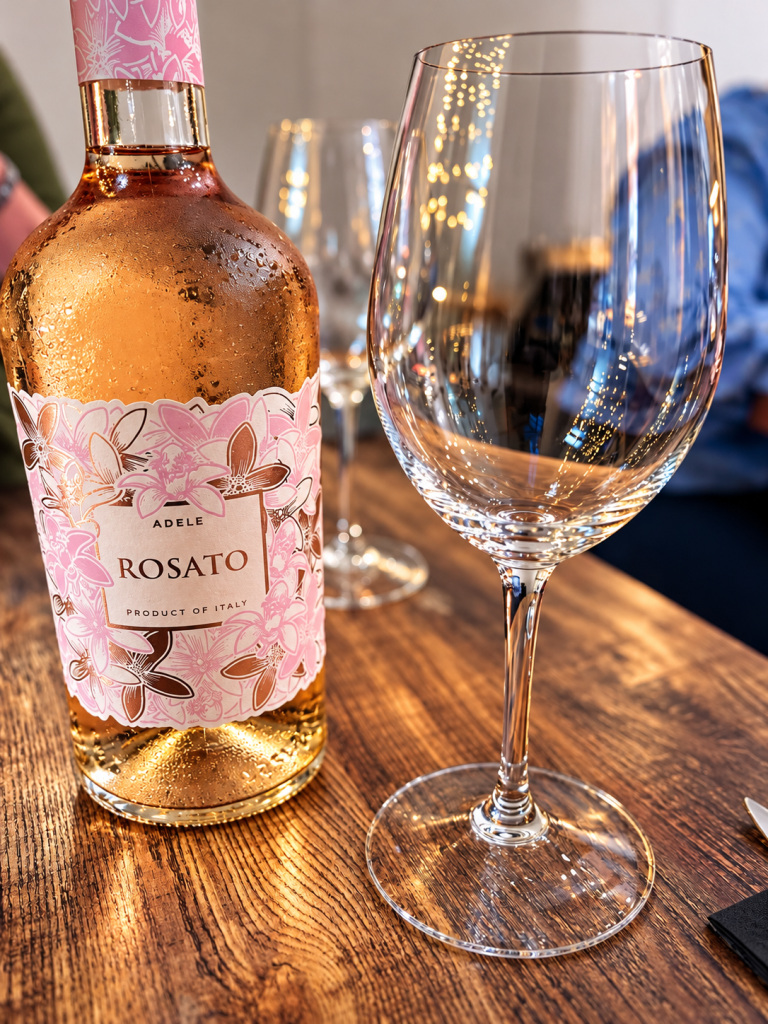
All washed down with a fine rosé: product of Italy
All in all, a truly lovely experience, and the culinary highlight of my Scottish weekend.
I miss tibits. There was something uniquely comforting about wandering around, clutching a bowl or plate, with a small group of like-minded people, lifting lids, poking about with ladles, creating the perfect plate and perhaps drifting back for more. The open-buffet model faced obvious challenges after the pandemic, but the cracks caused by London’s high rents had already done much of the damage. The London branches closed in 2020.
So my joy at stumbling across Ginko, a restaurant with an almost identical model, in the Austrian city of Graz was immense. Almost identical, but better: even towards the end, Tibits was only around 80% vegan. Ginko is the real deal.
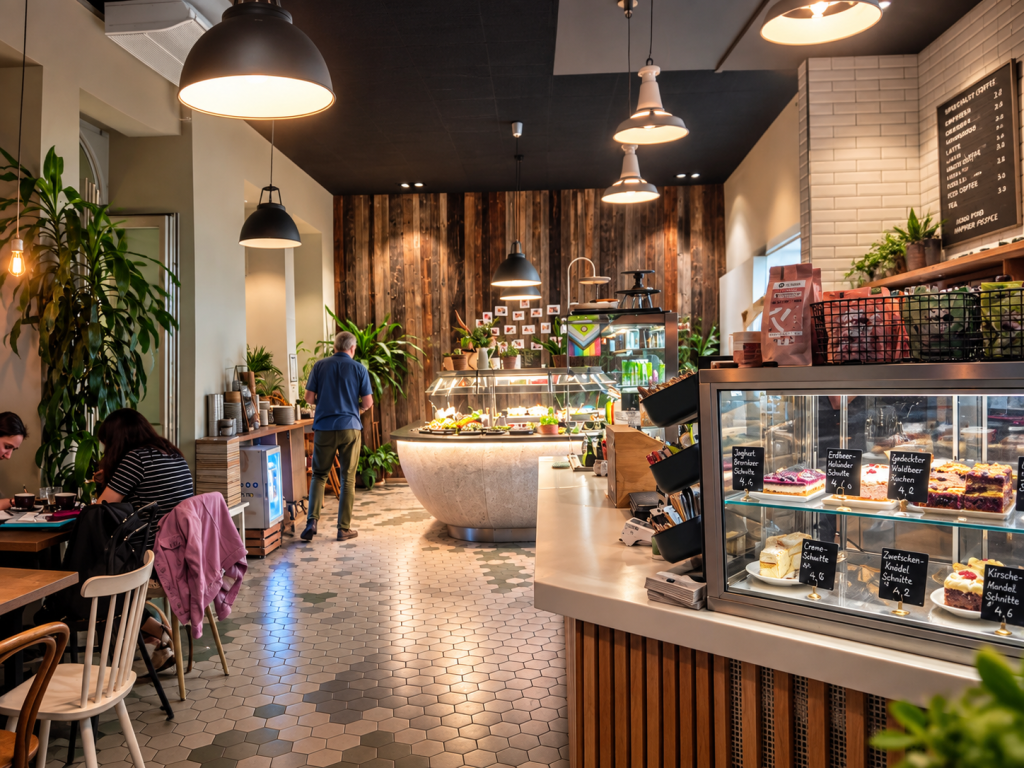
Its roots go back to 1976, when the Gilma family opened a vegetarian restaurant in the city. The current Ginko followed in 1996 and has been fully vegan since 2021. At its heart is a pay-by-weight self-service buffet, with a wide mix of salads, soups, hot dishes, sides, sauces and cakes, drawing on international flavours and seasonal, often organic ingredients. It’s also fully licensed, so there’s wine and beer if you fancy lingering a little longer.
The restaurant itself is set in a large, airy space, a short trot from the central transport area of Jakominiplatz. The food is bright, varied and plentiful, and the labels are easy to follow. There’s literally something for everyone, whether you prefer a few dishes, known or unfamiliar, or fill your plate with a smidgen of whatever takes your fancy.
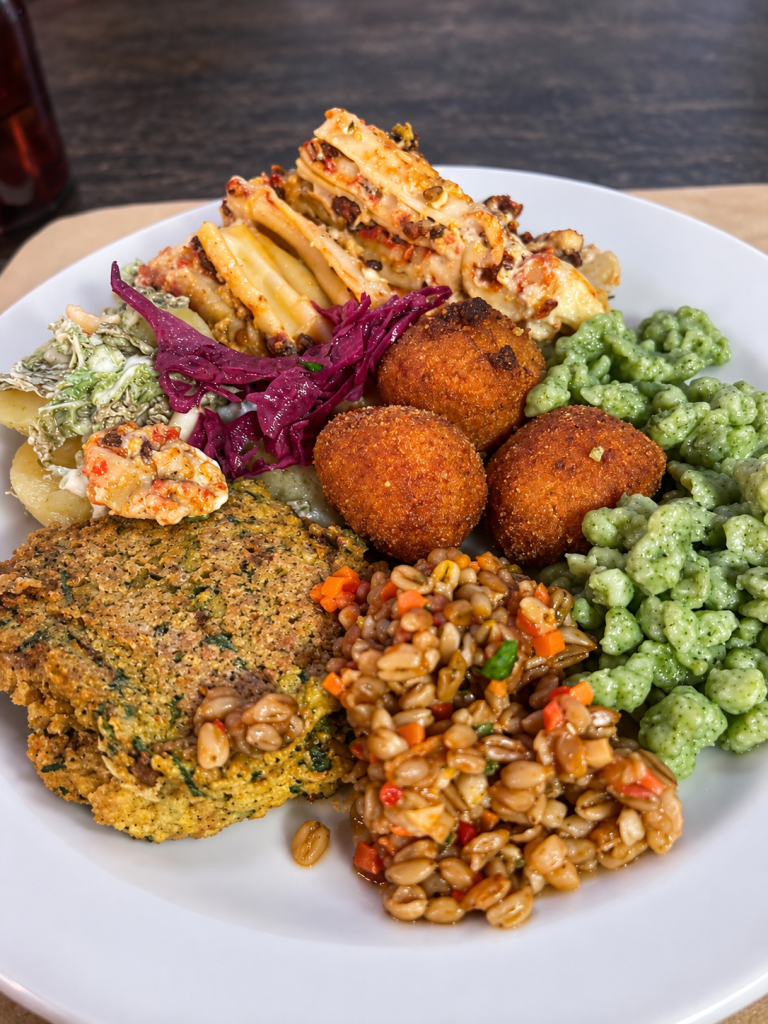
A taste of everything: lasagne, schnitzel, Kartoffelsalat and SpinatSpätzle
What particularly appealed were the traditional Styrian dishes: the vinegary potato salad, just like my Austrian mum used to make, the pure stodge of spinach spätzle, the crispy schnitzels. Then there were familiar favourites that can still be surprisingly hard to find vegan, like a hefty chunk of lasagne.
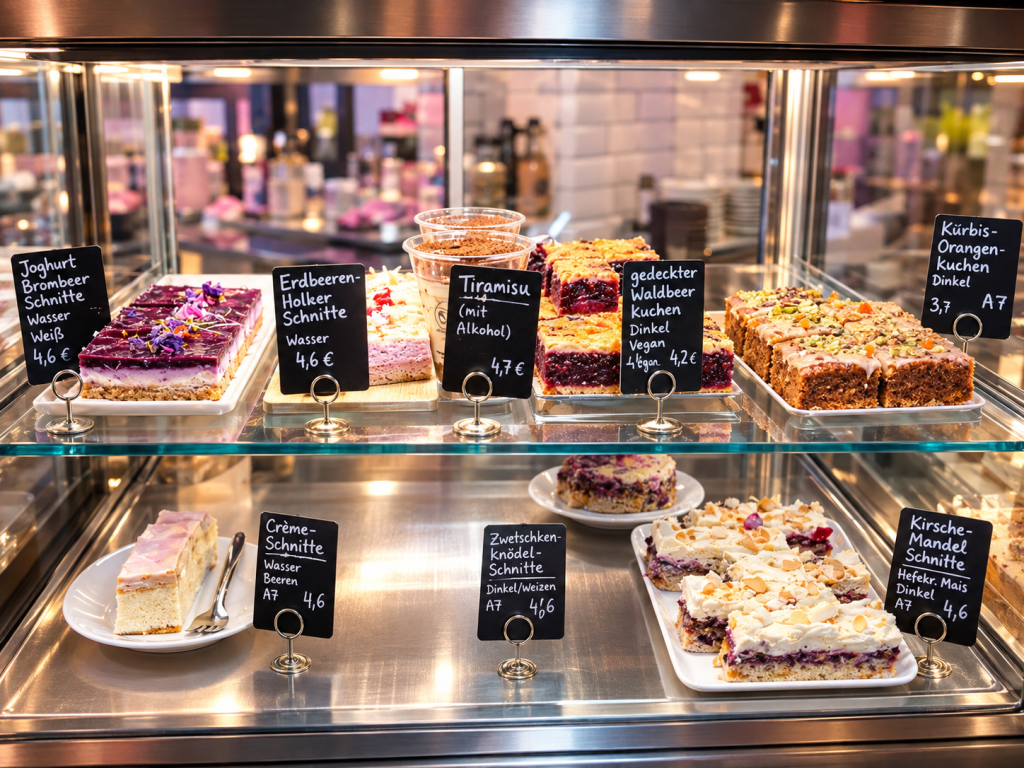
A plate piled high, then. And, as so often in my wanderings, no space for pudding. I did, however, pause to take a look, and a photo. A large range of cakes, all made in-house and all looking delightful. Take your pick.
Kaffee und Kuchen: a choice of traditional desserts
Graz itself is a stunningly beautiful city and something of a spiritual homeland for my family, but for years it dropped off the tourist radar after Ryanair stopped serving it. There’s now a direct flight from Gatwick, but for me the train from Vienna through the Semmering is well worth the extra effort, with the route winding through mountains, viaducts and forest before dropping you into Styria.
For a city that already means so much to me, finding a place that brought back some of what I loved about tibits felt like an unexpected bonus.
In an omnivore world, we vegans can sometimes find ourselves overwhelmed by the sheer choice in dedicated restaurants. No such problem at Salzburg’s GustaV, where the menu is refreshingly simple: main meal of the day, soup of the day, sandwich of the day. Perfect for those times when you just don’t want to think.
There’s a wonderfully traditional Austrian feel to the place, which opened in 2015 as Salzburg’s first fully vegan restaurant. The owner, Denise Hagopyan, had a idea: to offer fresh, sustainable and often organic ingredients, served in a welcoming setting to anyone who simply enjoys good food.
You walk into a tiny café with just two small wooden tables and one larger communal one. That sort of enforced closeness would normally have me heading straight back out of the door, but the owner has such a warm, easy manner that it somehow works.
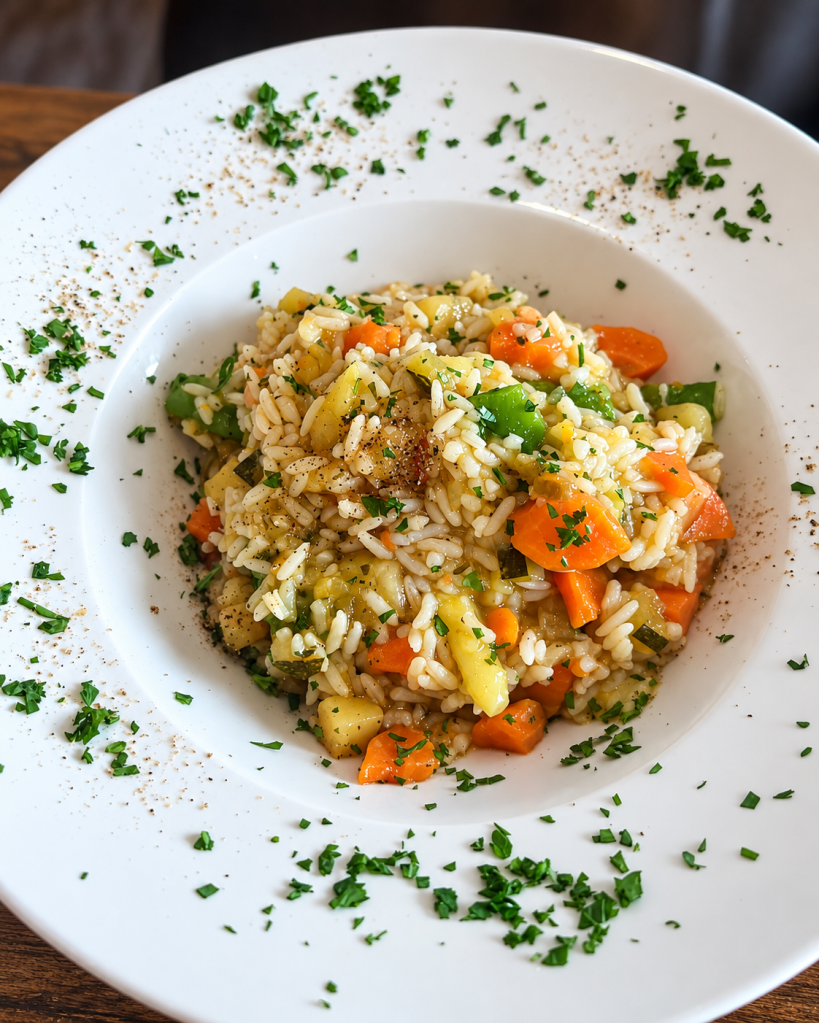
Hot option: colourful stew with rice
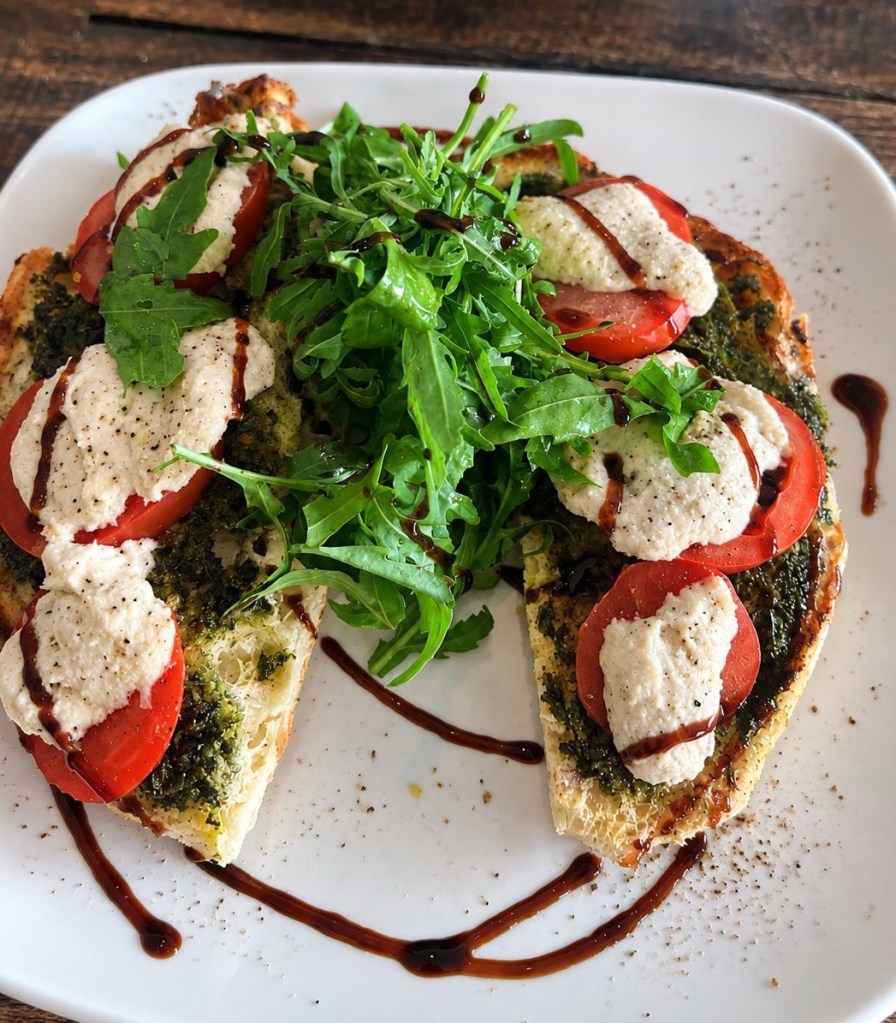
The meal of the day was a courgette-based stew, which my companion thoroughly enjoyed. I went for the sandwich of the day: a cheese-like spread with pesto and salad. Both dishes felt completely in keeping with the place – uncomplicated, satisfying and packed with fresh, local ingredients.
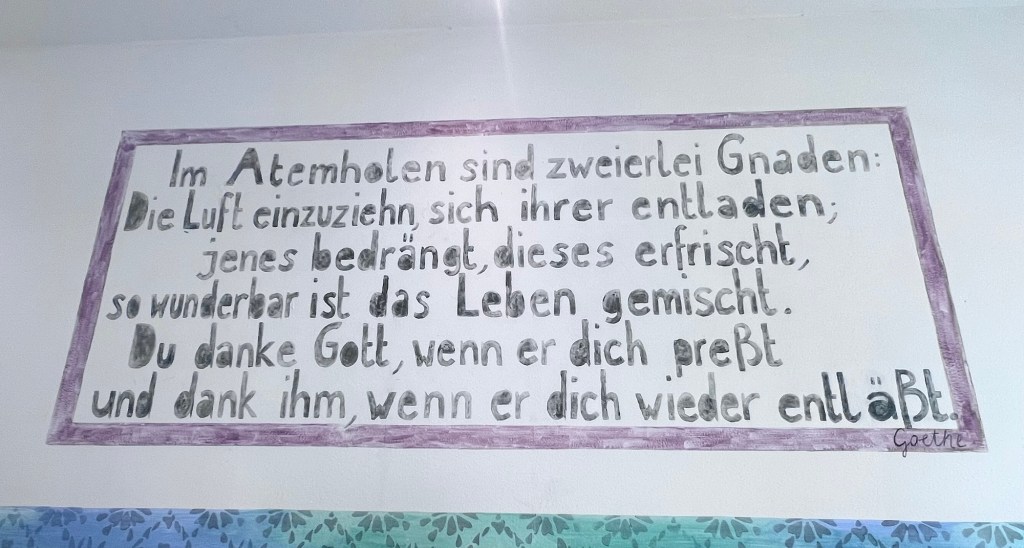
Goethe: to every inhale there is an exhale
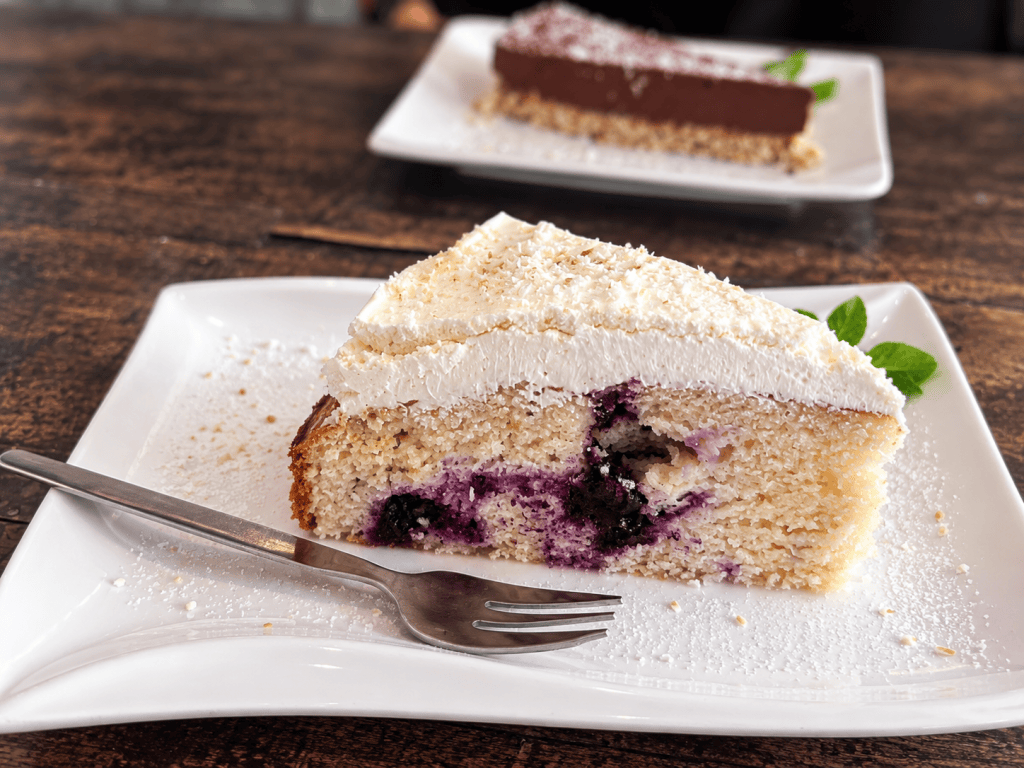
We hadn’t intended to stay for cake, but perhaps got sucked into the relaxed atmosphere. Mine was a traditional moist sponge rippled with berries and topped with a thick cream frosting, while my fellow traveller chose the chocolatey raw cake, which had a pleasing contrast of rough and smooth textures. Both were accompanied by damn fine oat-milk cappuccinos.
Nur ka Stress: time for cake
Salzburg’s vegan scene has grown considerably over the last 11 years, but it’s easy to see why GustaV has remained such an integral part of it. Several obvious regulars popped in during our visit, adding to the sense that this is as much a neighbourhood café as a destination for visiting vegans.
Swirls of bright colour: food here feels straight from the wok
Like in so many German cities nowadays, vegans are truly spoilt for choice when it comes to dedicated restaurants in Nuremberg. It’s both a joy and an inspiration to see how both Austria and Germany have embraced plant-based cuisine, integrating it into their food cultures while also offering it alongside traditional dishes.
During a recent fleeting visit to the city, we had time to visit Mỹ Hảo, a Vietnamese vegan restaurant in the heart of Nuremberg. Its philosophy is to reinterpret Vietnamese and pan-Asian favourites using only plant-based ingredients, with an emphasis on sustainability, animal welfare and showing that vegan food can still deliver the flavours and variety of traditional Asian cooking.
It works.
Personal favourites: fresh and light with crunch from the satay sauce
The vibe is modern, dark and buzzy: it’s an incredibly popular restaurant, so booking is essential. Service is speedy and efficient, and the food feels fresh, vibrant and full of flavour.
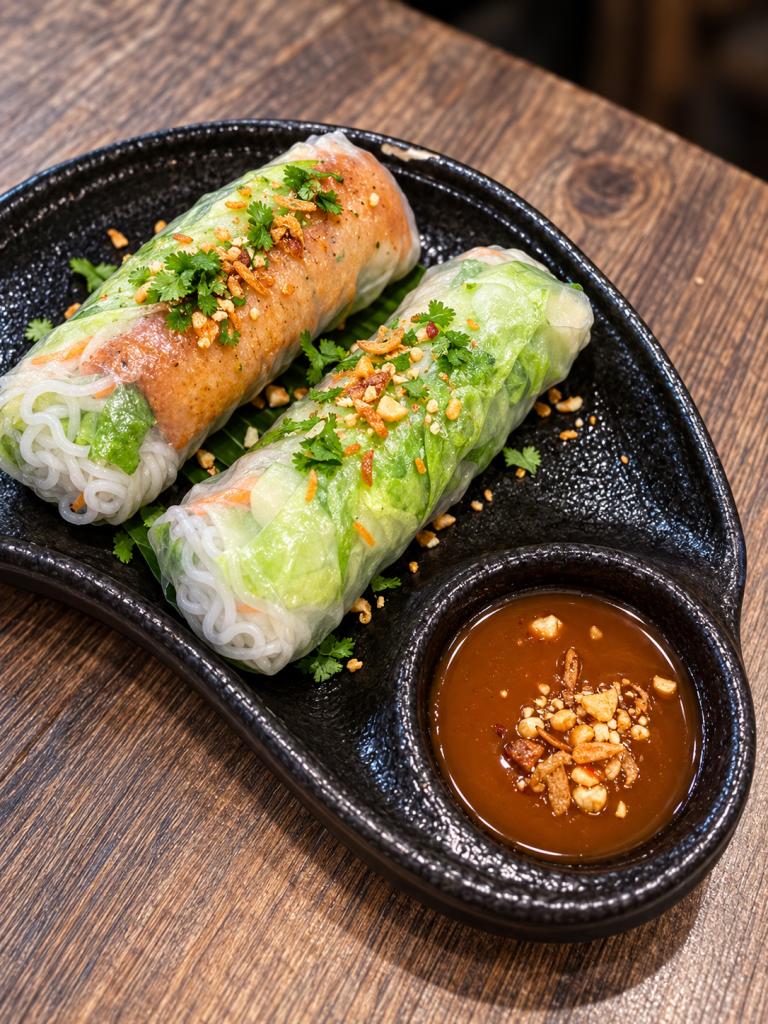
We started with the summer rolls, filled with crispy tofu, rice noodles, salad and Vietnamese herbs, with a crunchy peanut dip on the side. Fresh and light, they made an easy start to the meal.
Buntes Essen: Tofu Sả Ớt helps you see in the dark
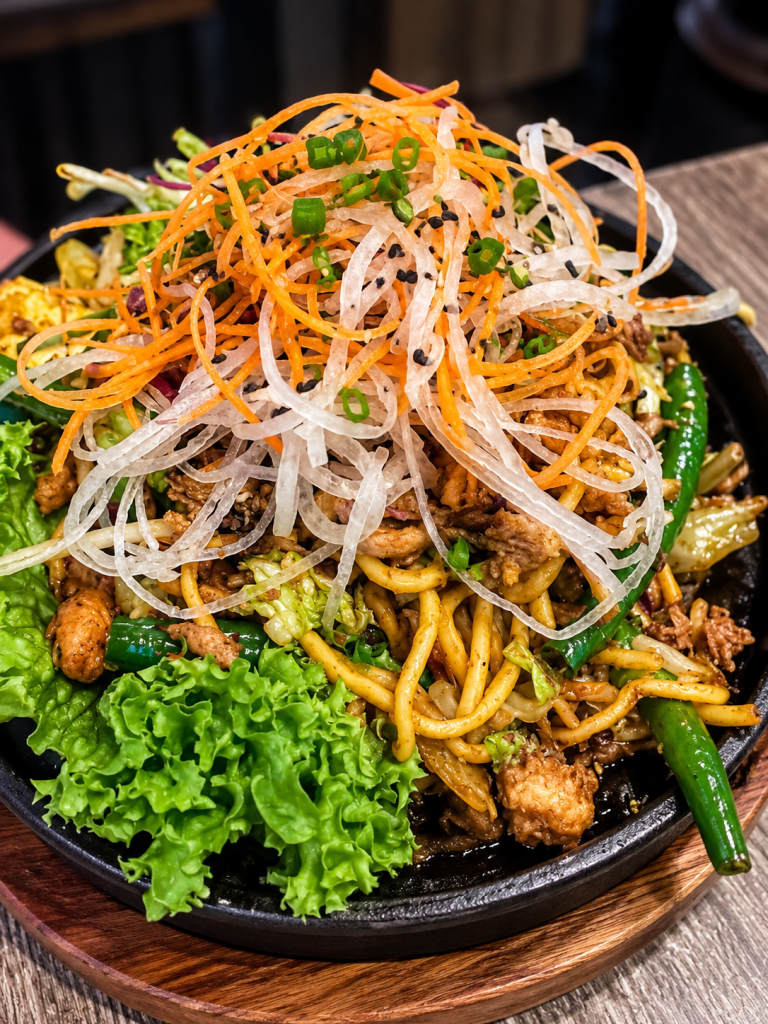
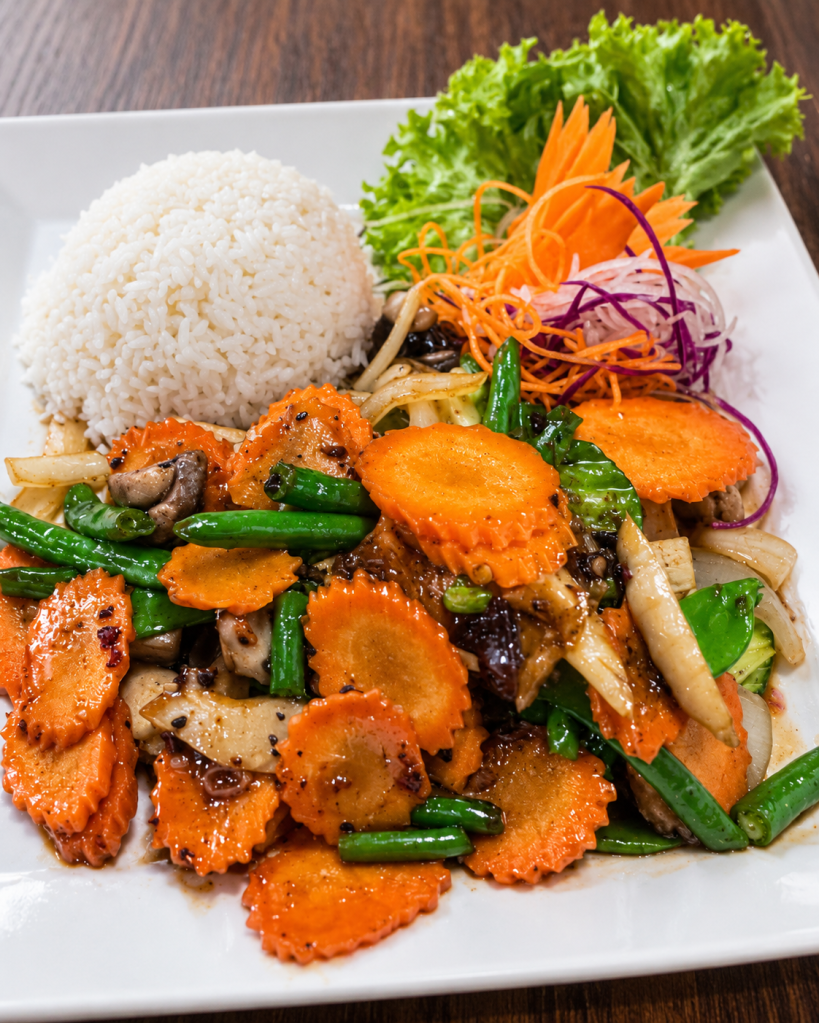
For the mains, we had the Tofu Sả Ớt and the stir-fried noodles with vegan chicken, tofu and vegetables. The Tofu Sả Ớt came with lemongrass, chilli and plenty of vegetables alongside rice, while the noodles were richer and more substantial, with a good mix of tofu, vegan ‘meat’ and vegetables.
As ever, we were too full for dessert options, but there was plenty of other cake to be had along the way.
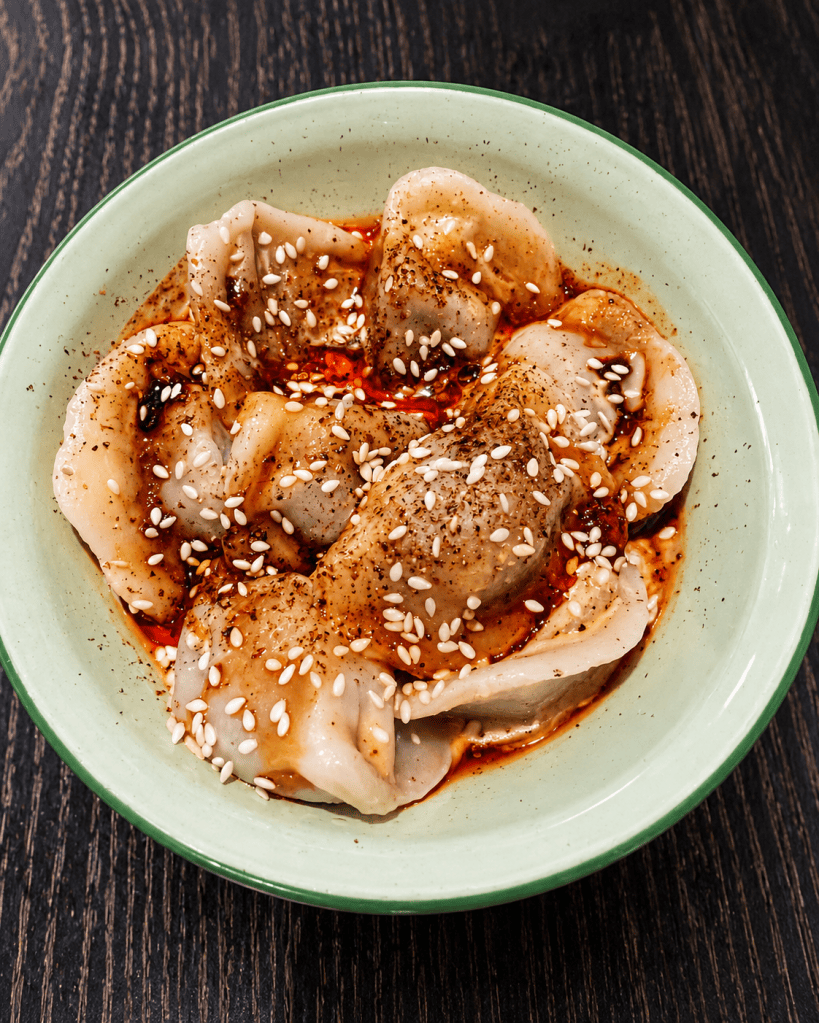
Dumplings: 50 shades of spicy
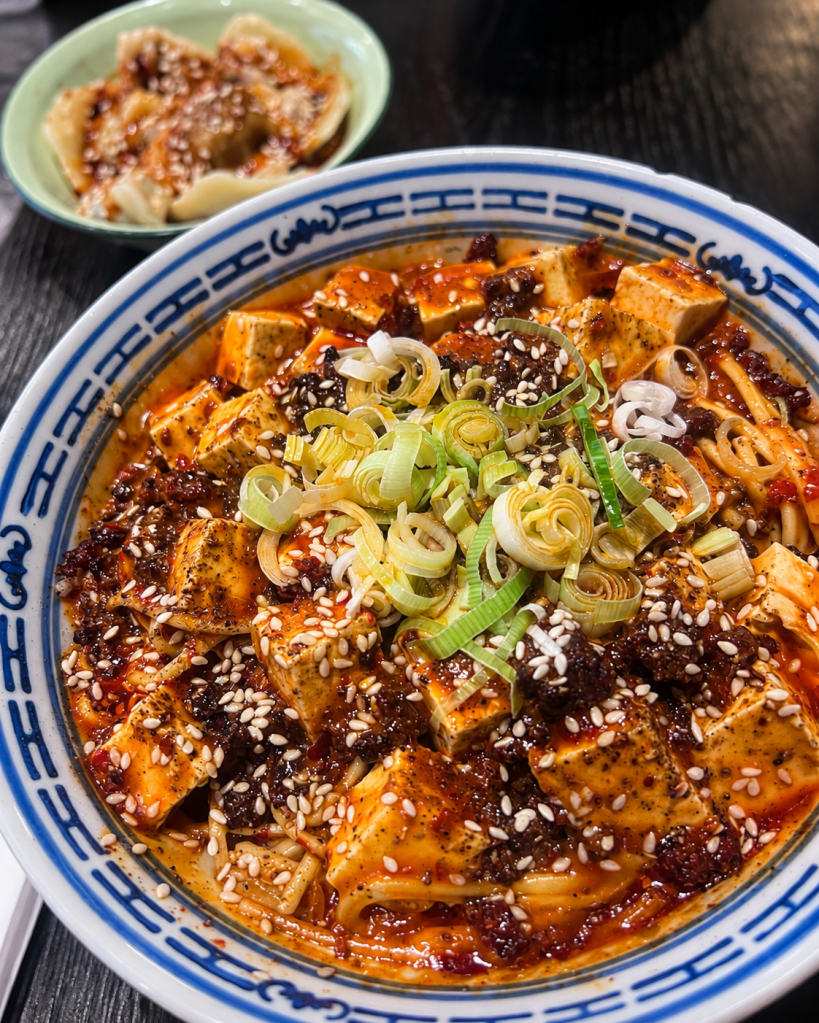
Far less slick but worth a visit is Kaschemme, a small Sichuan street-food restaurant with a short, focused menu of noodles, dumplings and fiery sauces.
This counter-service café serves hearty portions and, again, great food with masses of tofu. Perfect when you’re hungry and short on time.
Mapo tofu: oodles of beancurd in a rich fiery sauce
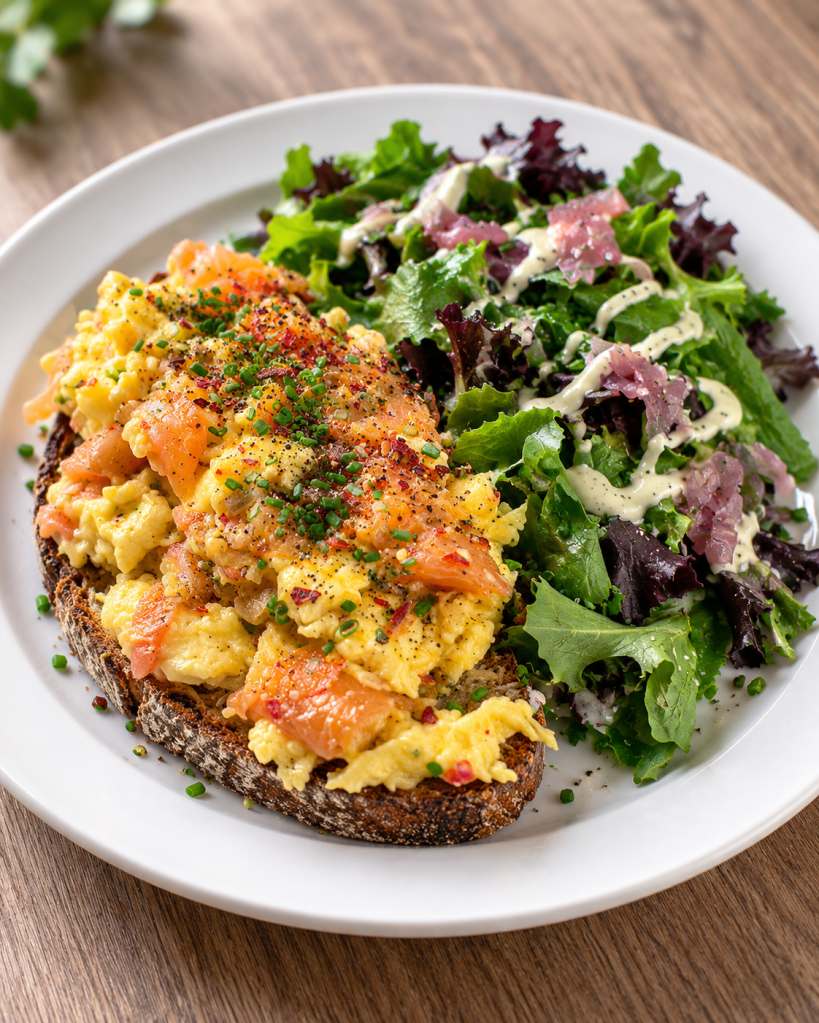
Brunch with a bit of bite: scrambled ‘eggs’ with kimchi
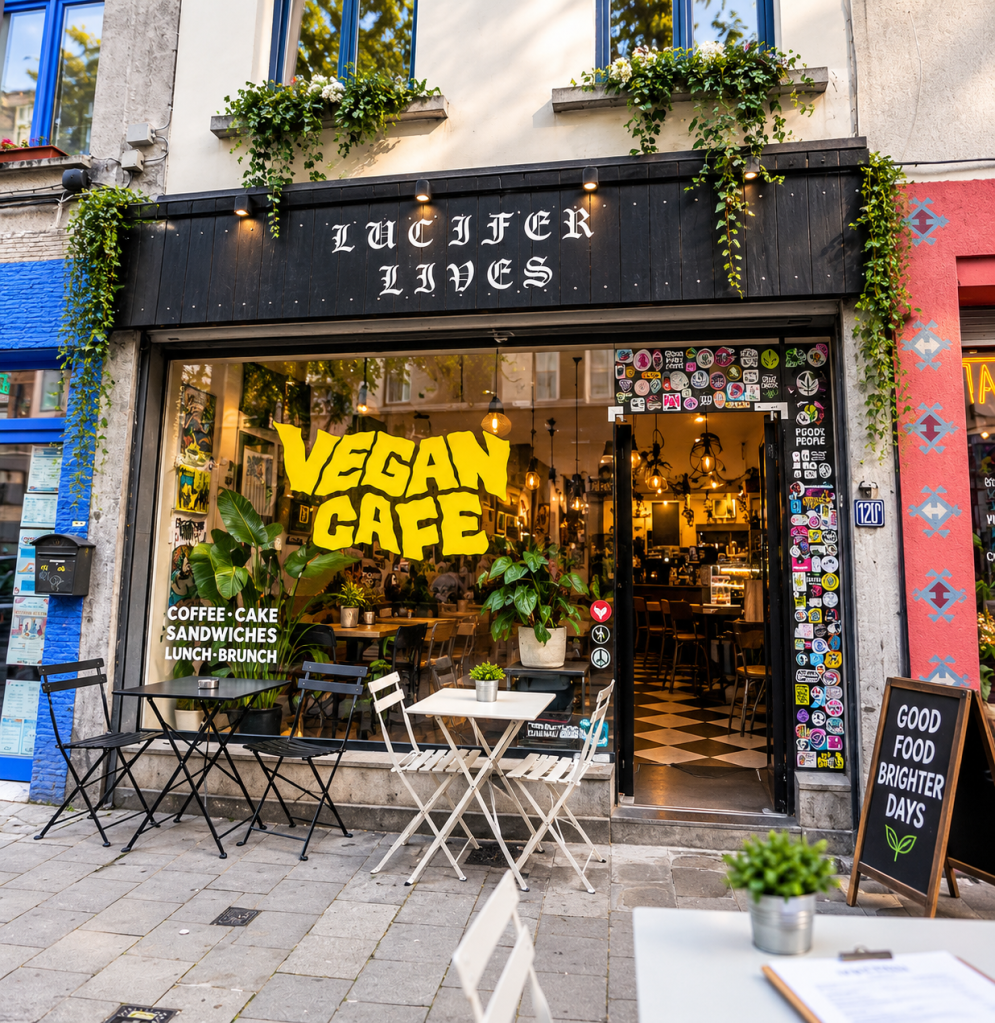
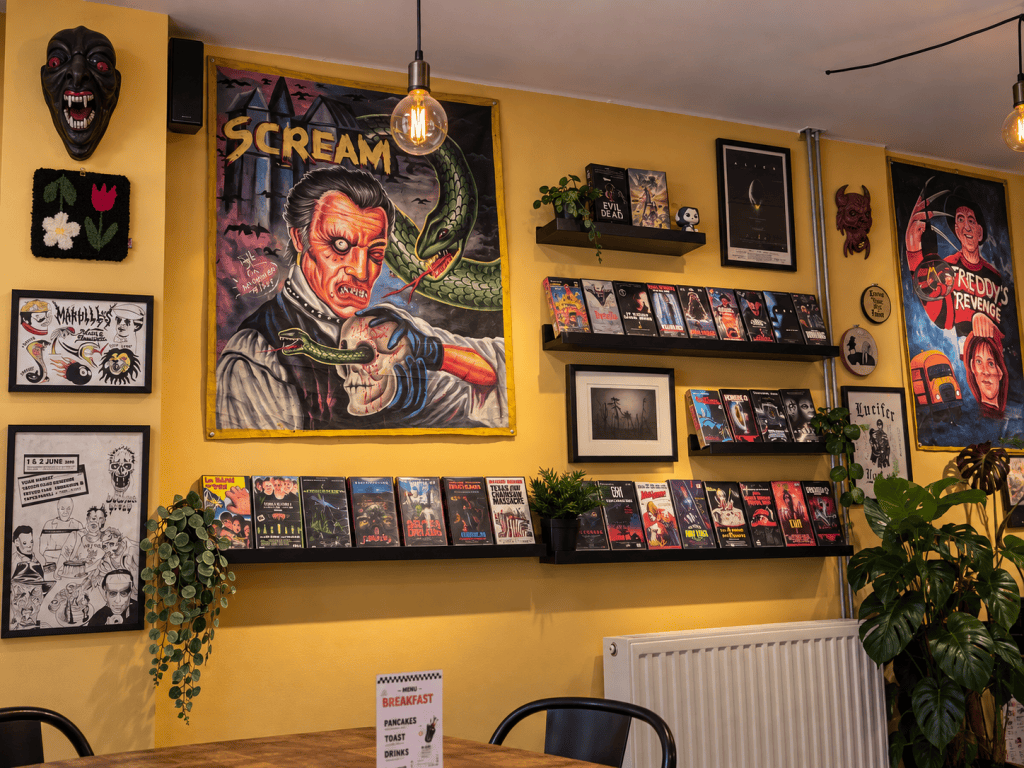
“You can probably tell I’m a horror film fan,” Lucas told me. Looking around at the movie themed decor, he wasn’t wrong.
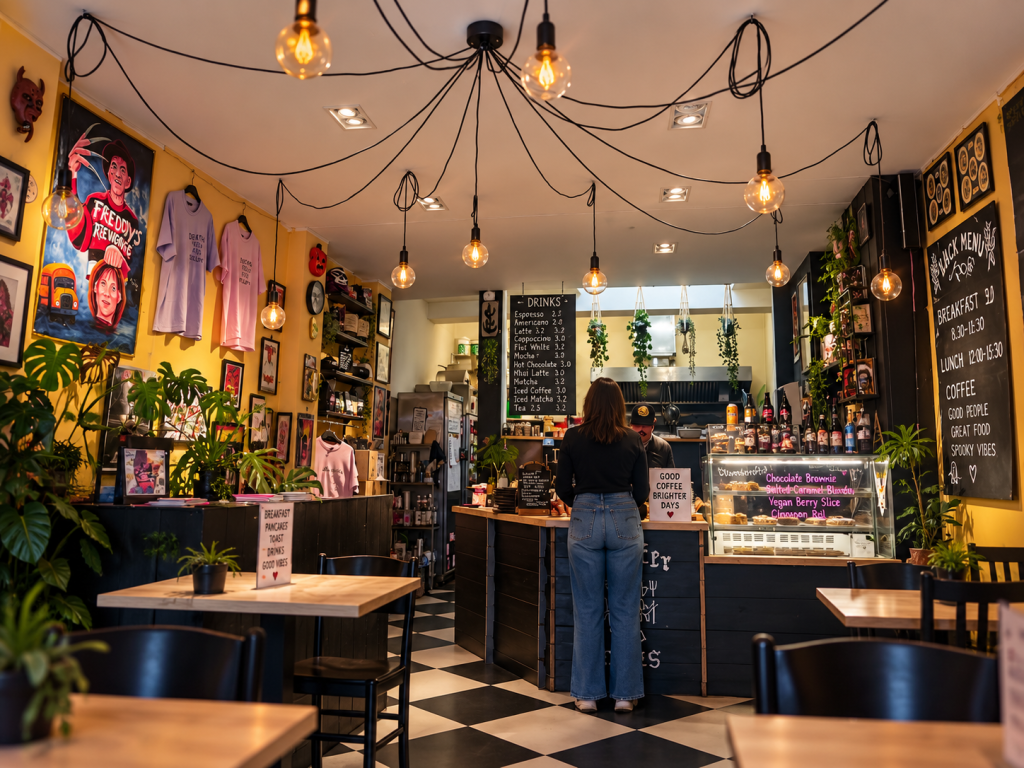
Lucifer Lives Coffee is a colourful and successful vegan café in Brussels’ Marolles district, founded by husband-and-wife team Morgane and Lucas Vargiu in 2020. On a recent visit there, it was easy to see what makes it so popular.
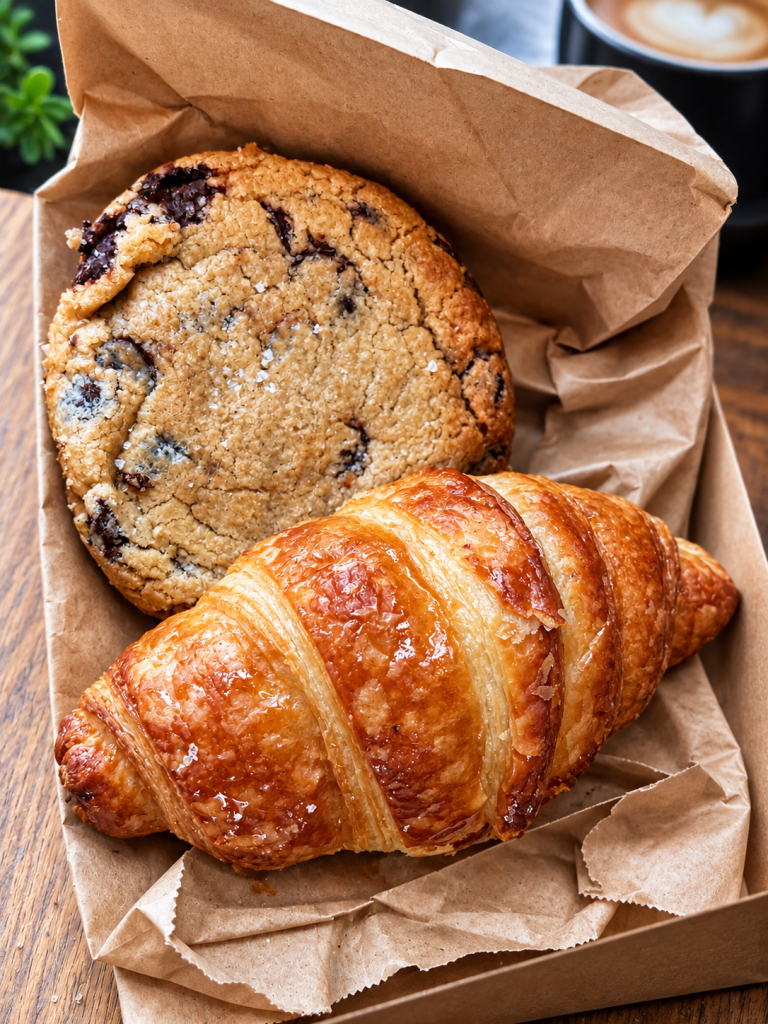
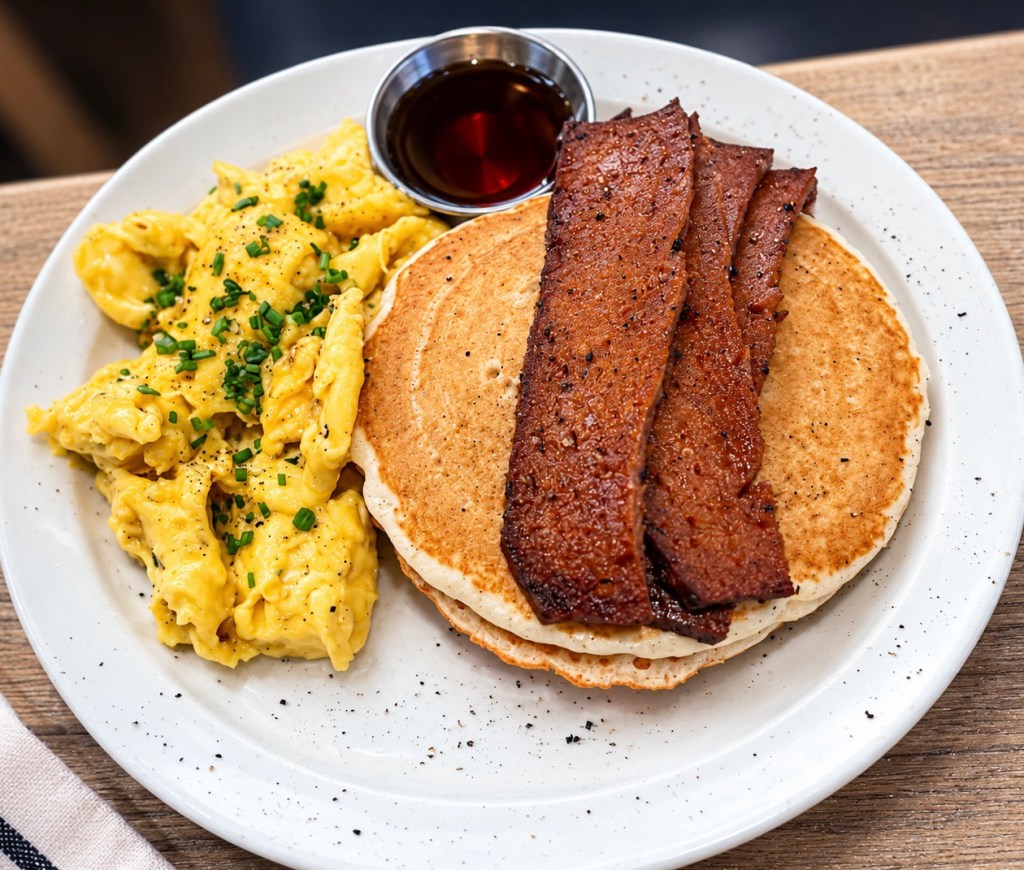
The food is great. The service is friendly and efficient. And there’s zero compromise when it comes to quality and taste. These pictures say it all.
Lucifer Lives: the devil is in the detailHellishly good-looking pastries: no need for vegans to miss out on tasteDon’t be scared: no animals were harmed in the making of this foodResisting everything but temptation: pancakes, bacon, maple syrup and scrambled ‘eggs’From Freddie Krueger to Michael Myers: there’s no horror on this menu
The latest in a series of Everyday Vegans in which ordinary people talk about living a plant-based life. Sam Meek is a 28-year-old environmental professional, marathon runner and aspiring author who talks candidly about his journey to veganism, the challenges of living in a largely non-vegan world, and why his commitment to animals and the environment is stronger than ever.
There is zero chance of me going back: for Sam Meek, veganism is at the core of his belief system
Tell us a little about yourself.
My name is Sam Meek. I’m twenty-eight years old and live in Oxford. I only recently moved here, having lived in Manchester for the previous ten years. I grew up in the small town of Hebden Bridge in West Yorkshire. I moved to Manchester to study Sociology at university, then I did a Master’s degree in Environmental Governance. Now I work in the public sector, where I focus on climate change adaptation for water infrastructure.
My dream job is to work for a think tank or NGO on animal rights or the environment, or to be an author. In my spare time, I do some creative writing. I recently completed my first novel, which I’m hoping I can get published. I’m quite active; I run and cycle, and I ran my first marathon earlier this year.
You’re vegan now, were you vegetarian before?
Yes, I was brought up vegetarian by my parents. When I went to university at age eighteen, I regrettably ate meat briefly before quickly realising it was wrong and going back to being vegetarian. My lack of confidence in new surroundings weakened my moral stance, so as soon as I was ridiculed or questioned for not eating meat (which happened on day one of university), I crumbled. That is my biggest regret.
For that period, I didn’t feel like myself. Looking back, I know that I was cheating on my own morals, and it was causing me to feel uncomfortable. I went back to vegetarianism soon after I realised this and remained vegetarian for a few years before going vegan.
What led to that?
I knew being vegan was the right thing to do when I was vegetarian. I can’t pinpoint a moment of realisation; it has always been ingrained in me that we shouldn’t take from animals. I cut out cow’s milk, eggs, yoghurt – basically everything except cheese. I was one of those vegetarians who said they could never go vegan because of cheese. I laugh at myself for that now.
For a couple of years, I lived like this. Then a close friend told me he was going vegan, almost out of nowhere. That made me think that I just needed to do it. So, I did. I said that from the 1st of September (the start of the month after my friend went vegan), I would be vegan too. That was 2019. It’s been just about seven years now, and I love it. It was the best decision I’ve made.
Do you see yourself ever going back to being an omnivore?
Never. There is zero chance of that happening.
Are you a ‘healthy’ vegan? Often people assume we’re all fitness-obsessed, when the reality is that we come in many flavours and, for many people, life is an eternal hunt for vegan cake. What makes up your diet?
My diet is mixed. I think I’m pretty healthy in general. As I mentioned, I’m quite active. When I was training for a marathon, I’d be running 30-40 miles a week and doing strength training and cycling too. It’s rare that I feel drained of energy; the only time I do is two hours into a long run! I have sports drinks and energy mixes from a company called Active Root, which is fully vegan and uses natural ingredients.
In a week, I’ll eat roughly 20-30 different vegetables, fruits, seeds, beans, lentils, etc. My standard breakfast is either porridge or homemade granola with fruit, yoghurt, flaxseed, peanut butter and chia seeds. I find this keeps me going well in the morning. Lunch usually consists of last night’s leftovers.
I enjoy cooking a lot. I will spend an hour or more most evenings cooking something from scratch. My favourites to make are lasagne with roasted vegetables and red lentils, butter bean stew, vegetable gyozas and mac and cheese. I do some slightly more creative cooking too; I marinate tofu in a beetroot and seaweed marinade to make fake fish and sometimes make a katsu curry. When I’m tired, I will just throw some veg and fake meat in the air fryer and put it in a wrap, or have a burger and chips.
I’m not strictly healthy or wholefoods-only. Wholefoods make up a lot of my diet, but I love fake meats. I don’t have a sweet tooth, but my girlfriend (also vegan) does and likes to find vegan cakes and pastries. We’ve been known to travel to different towns to try a new vegan bakery. She also bakes cakes at home and makes a loaf of sourdough every week – very lucky for me.
I’m not very conscious of ensuring that I get enough nutrients and all the vitamins I need. I believe that if I have a balanced diet, eating a good number of fruits, vegetables and beans, then I should be getting all I need. I know I’m getting B12 and other nutrients from fortified milks, Marmite and nutritional yeast.
Where do you shop?
I cycle between getting food deliveries from the major supermarkets: Tesco, Asda, Sainsbury’s, etc. They each have different options for vegans. Unfortunately, there isn’t a fully vegan supermarket near where I live. There are a few health food shops that have some good options, but they also sell animal products.
Do you consciously think about where you get your protein, etc., from?
I don’t really. I think it’s a myth that vegans don’t get enough protein. It’s the same with any diet: if you eat a good balance of everything, then you will likely be pretty healthy. Every meal I make has a protein source, from beans, lentils, tofu, seitan or fake meat. Where I think something is lacking in protein, I add it in. For example, I make my own pizzas and put seitan flour in the dough.
I think the protein fad in general is a bit ridiculous; every other item in a supermarket has ‘protein’ written in large letters. Unless you’re consciously trying to put on muscle, being extra conscious about getting protein isn’t really necessary.
For many vegans, the initial realisation of facts that make us turn to a different lifestyle is pretty life-changing and alienating. We view things differently, from the supermarket shopping experience in a meat-eating world to the people around us. How was that change in mindset – the reality of being an outsider in many situations – for you?
It’s not something I considered at first, but over the last few years I’ve become very aware that I’m the outsider in most social groups and at work. When I’m eating food with non-vegans, I’m now thinking a lot about how differently we view the world.
I recently had a work meal, and everyone I was with ordered a meat dish, which made me uncomfortable. It’s not something they would understand, and I find it very hard to understand how intelligent, seemingly empathetic adults can eat meat. At one point in the conversation, they were talking about experiences of going fishing, and I felt anxiety, sadness and anger in my stomach. The nonchalant way they talk about a recreational activity that kills innocent animals feels slightly psychopathic.
So, the answer really is that I still struggle in situations like this. I feel very uncomfortable, like everyone in the world sees this huge thing completely differently from me. I tell myself that I might be in the minority in many situations, but I believe so strongly in veganism that it doesn’t matter what anyone else thinks.
Do you mix with many other vegans – does your lifestyle mean that you come into contact with people of a similar outlook regularly?
I’m lucky that my girlfriend is vegan, as are both my parents. I don’t really know any other vegans apart from them, though. When I do meet other vegans, I just know we will get on better, as we fundamentally share the same morals. It does get me down sometimes how few vegans I meet.
It disappoints me that I work in the environmental sector but know hardly any other vegans, or even vegetarians, at work. Even though we are all aware of the environmental impacts of eating meat and dairy, my colleagues still eat meat. I thought when I joined this sector that I would meet a lot of vegans and like-minded people, but it hasn’t worked out that way.
I’ve recently joined Vegan Runners UK, where I hope to meet some new people with the same views as me.
Do you live in a meat/dairy-eating household? And if so, how is that?
No, thankfully I don’t. I live with my girlfriend now, who is vegan, and I grew up in a vegetarian household that has since turned vegan too. So, when I visit home, I’m still in a vegan house.
Do you feel you have more in common with vegans than the majority of other people who don’t believe plant-based is the way forward?
Yes, absolutely. I mentioned earlier that I feel uncomfortable around people eating meat and think about how we have such different views. I’m really interested in the psychology of vegans and non-vegans. Why do a relatively small number of people feel so strongly about animals while the majority choose to exploit them?
I’ve likened it to a religion. I’m not religious, but I imagine a devout Christian or Muslim may not understand how someone can’t believe in God or any of their other beliefs. Veganism feels that way to me; I just can’t comprehend how people eat animals or exploit and abuse them in any way.
It’s baffling to me that you can show someone horrific videos of animals in factory farms, lay out the statistics on animal deaths, the environmental impacts and the health benefits, but people still ignore it. There isn’t that connection between the animal and the food they’re eating in their heads, or they just don’t care, which is worse in a way.
That’s why I definitely feel I have more in common with vegans. I do think we are more empathetic, more connected to animals and the environment, and much more conscious of our impact on this world.
Do you, as most of us have to, eat out with non-vegans often, and how do you feel about their eating choices?
I do eat out with non-vegans, but not too often. It’s usually for a work meal or with friends. No one ever asks questions about my veganism; it’s always well respected, but I do still sometimes feel uncomfortable when out for a meal with non-vegans.
As I mentioned previously, I just can’t understand how intelligent adults can eat meat. Especially as I work in the environmental sector, and my colleagues are fully aware of the environmental impact of meat and dairy, but they still choose to eat meat. I can’t help but judge their choices harshly. It’s hypocritical too. They express how much they worry about climate change but engage in one of the main industries that is causing it.
I have friends who likely know that eating meat isn’t right, but they’ve done it their whole lives and can’t be bothered to change. It’s easy for people to just do the same things that they’ve always done; even if it’s wrong, it’s become a habit that is hard to change. I don’t agree with this either. Just because we’ve always done something one way, it doesn’t mean it’s right.
I’ve had friends say that it’s just easier to eat meat and that they just couldn’t give up chicken, fish, cheese, etc. I find I have to keep my true feelings to myself: that I think this view is selfish. I’m not an extrovert; I don’t feel comfortable questioning people about their choice to eat meat (I wish I was confident enough to do this). So, meals out with non-vegans aren’t always that enjoyable.
Are you involved in any form of activism?
Many forms of activism just aren’t for me. I donate money monthly to a few vegan charities – not much, but just what I can afford. I’m on the committee of the vegan network at my work. It is a place for every vegan (or someone interested in going vegan) to chat; we ensure vegan beliefs are respected and act on any misinformation or bullying. I’m also signed up with several charities that email petitions to sign or emails to send to my MP on animal rights issues.
I would like to be the vegan who stands on the street informing people about animal agricultural practices or the one who protests outside Parliament, but I’m quite introverted. I just can’t see myself doing those things. I feel bad for not doing them, like I’m letting the animals down. Some vegans say that not eating or using any animal products is the bare minimum. I try to do as much as I can within my own capabilities. Maybe one day I’ll force myself to go out and do something more.
How do you feel about the vegan jokes… you know, that vegans can’t go five minutes without mentioning the fact or they explode?
I don’t get them anymore, really; I’m mostly surrounded by people who know that’s a joke with no reality to it. I used to be surrounded by more people like this. I worked in a Wetherspoons pub, and the majority of the other staff would make vegan jokes often. One person called Veganuary ‘vegan awareness month’.
Sometimes I find the jokes funny; most of the time I don’t. I can laugh at myself quite easily, so they don’t really bother me, but when they are lazy or untrue or based on stereotypes, such as vegans having to mention they’re vegan every five minutes, then I don’t like them.
Joking and laughing at vegans has become such a thing that it makes me think most people don’t understand veganism at all. Those kinds of jokes wouldn’t be directed at a religious person, such as a Muslim or Jew, or at someone with a disability or someone who is gay. Ethical veganism can be protected as a philosophical belief under the Equality Act 2010, but there is still a long way to go until veganism is seen like that by the majority.
Do you believe veganism to be a fad?
No, not at all. Not eating animal products isn’t a recent thing; it’s been around forever. It’s just become more popular and widespread today for many reasons. The expansion of technology and globalisation has meant the world is more connected, so we can see what vegans across the world are doing and talk to each other. Blogs like this one help build a community, and factory farming has become so large and is so horrific that it’s no wonder people go vegan after learning about it.
If you believe in Christianity, then Jesus was likely vegetarian and, in the Bible, sin was brought into the world after Eve ate the forbidden apple. It was only after this that people began to eat meat. I don’t believe any of this actually happened, but it tells us that thousands of years ago, those who created the Bible and this story saw eating other living creatures as sinful.
How deeply and passionately vegans today believe in the cause also confirms to me that it isn’t a fad. To me, a fad is the one I mentioned earlier of protein being advertised on every food item in a supermarket; veganism isn’t that. It’s a philosophy, a way of viewing the world that translates into a certain lifestyle. It will never die out like a fad does.
I think it’s inevitable that there will be more vegans in the future; the argument for it is so convincing. Climate change will force the hand of governments and the public to shift towards a plant-based diet, and the horrors of factory farming are just too abhorrent to leave unaddressed forever.
Do you believe that the meat and dairy industries have a future?
I hope not, but I can’t see them ceasing to exist in my lifetime. As much as I would like them to cease to exist for moral and ethical reasons, I think climate change will be the reason that the meat and dairy industries are eventually phased out. People will realise at some point that something huge has to be done to tackle the climate crisis, and the animal agriculture industry is one of the leading causes of the crisis.
I was happy to see that Denmark has introduced a policy to shift towards plant-based foods. This will just have to happen in more countries eventually.
I also hope that the scale of suffering in factory farms will eventually seep into mainstream discourse. It’s happened in recent times with cigarettes, it’s starting to happen with social media, and it can happen with animal agriculture. I think it’s starting to happen a bit more now, with adverts on the London Underground from Project Slingshot being the first of their kind to communicate the horrors of factory farming to the public.
Unfortunately, these changes happen too slowly, and too many people won’t want to change how they live, so I fear the meat and dairy industries will be around for the foreseeable future, even with climate change resulting in a shift towards plant-based diets.
How do you think we best ‘convert’ omnivores to a plant-based lifestyle? And do you actively try to do this?
Veganism and vegans have become loaded words for a lot of people. They see vegans as wanting to take something away from them, so they react angrily. When I hear a very forthright, argumentative vegan, I worry that they are sending out the message in the wrong way. People don’t react well to being shouted at or told that what they’re doing, and have done all their lives, is inherently wrong. I think the best way to convert omnivores to veganism is to be factual, approachable and open to discussion, rather than giving a lecture or attacking omnivores. The core of my beliefs is often itching to give a lecture, but I know human nature is to rebuff this type of communication.
I try to lay out the facts in a non-confrontational way. I’ve been drip-feeding information to colleagues at work when the opportunity arises, just the odd fact here and there. For example, I recently gave a presentation on small ways we as individuals can be more environmentally friendly; veganism obviously fits in here. I picked out some of the most shocking facts related to the meat and dairy industries and environmental destruction. I didn’t say much more than the facts themselves.
It’s harder in a non-work setting, as at work no one can really start arguing with you; if they do, they risk disciplinary action. I’ve been in conversations where there is more of a debate about veganism, but again, I try to maintain a calm approach and just lay out the facts. They speak for themselves.
I recently watched a debate on YouTube titled 1 Vegan vs 20 Meat Eaters. A philosopher and vegan called Jack Symes debated the meat eaters on different aspects of veganism. His approach was exactly right for convincing people. He was extremely well informed, intelligent in his responses and calm. The comments on the YouTube video were often from meat eaters who admitted he was clearly right, with some saying they would now try veganism.
How do you feel about the horror-show videos of the reality of meat? Do you share them? Do you feel they have a positive place in changing people’s understanding of the meat and dairy industry?
Apart from a Facebook account, which I don’t use, I don’t have any social media on which to share these videos. I do have LinkedIn, though, which isn’t the same as Facebook, Instagram, etc., but in the last few months I have begun sharing some of these horror-show videos there. I just share posts from other accounts I follow. I don’t add any comments; I just share them.
I’m not sure if it makes a difference, but I decided I wanted to do a bit more to try to help the animals, and clicking the share button is very easy for me to do. It could show someone a video that they haven’t seen before, and they might decide not to eat meat. It’s a long shot, but it’s worth a try.
They can definitely pull on some people’s heartstrings and bring the reality of animal agriculture closer to home. There is a natural empathetic part of humans that causes sadness and discomfort when we see suffering in another living creature. If that can be activated, then it might make a difference.
Are you positive about the future of veganism?
Yes, definitely. The current food systems are unsustainable and just can’t continue; that alone will drive more people to veganism. As more people turn vegan, more people spread the message and more people choose vegan products, so veganism will grow. It will be slow, frustratingly slow at times, but I’m sure it will grow more and more.
What does being vegan mean to you?
I love being vegan. It shapes my every day, and it’s at the core of my beliefs. I hate that I ate meat at one point; I wish I had gone vegan a long time ago. I feel happier, healthier and more in touch with the natural world through being vegan. Despite not knowing many other vegans, I feel part of something important. It’s a deeply entrenched part of who I am and my personality.
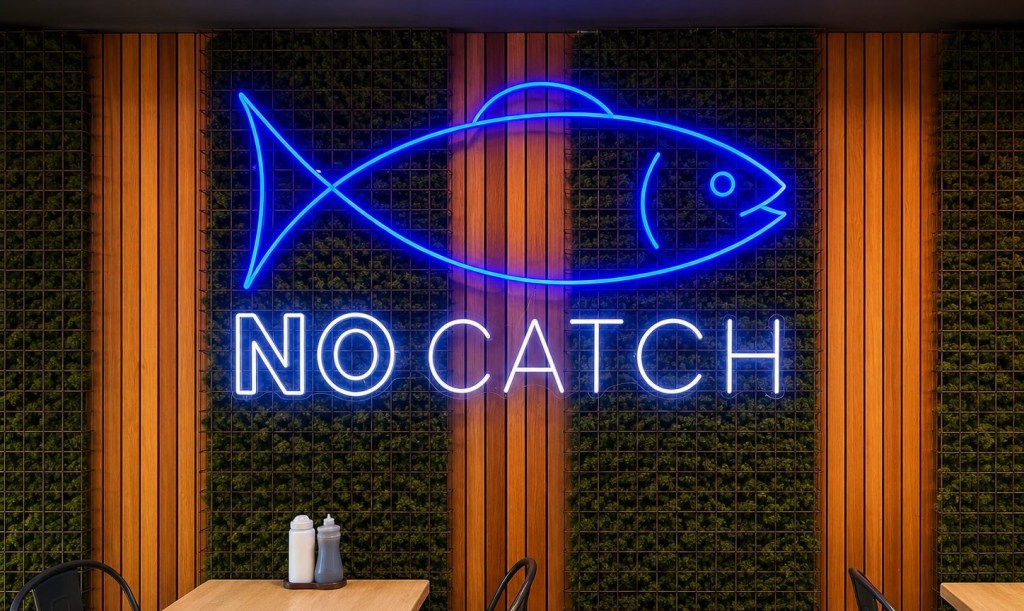
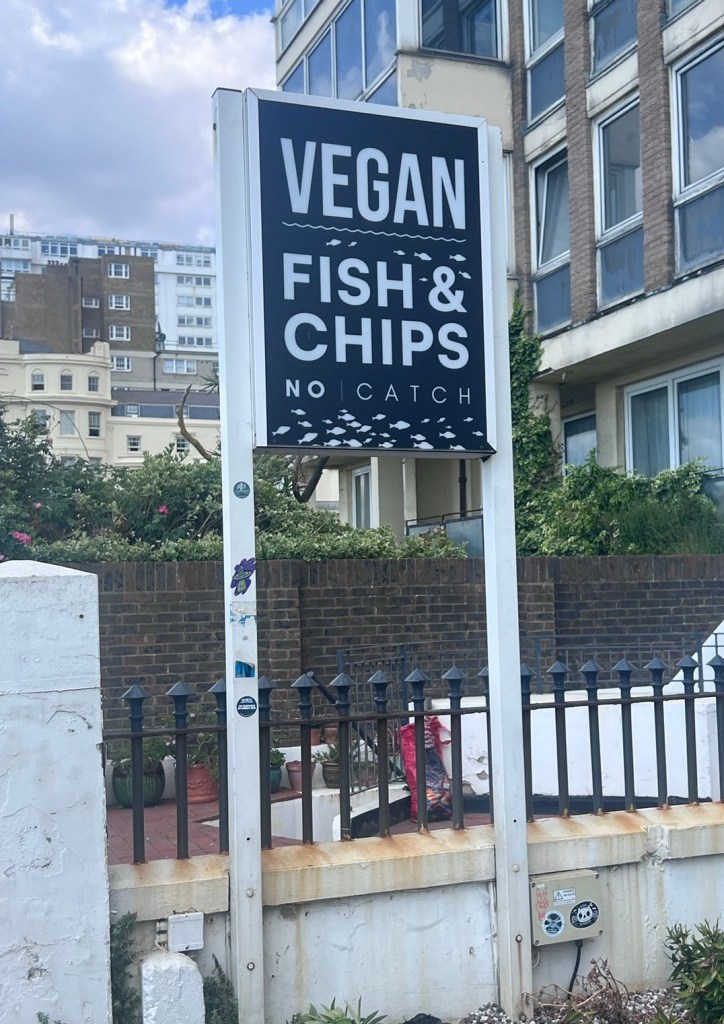
No Catch opened on Brighton’s seafront in October 2021, but its roots go back to Unity Diner in London. Founded by vegan educator and activist Ed Winters and hospitality manager Kevyn Bourke, the idea grew from Unity Diner’s hugely popular “tofish” dish.
Brighton: traditional nosh with a side of compassion
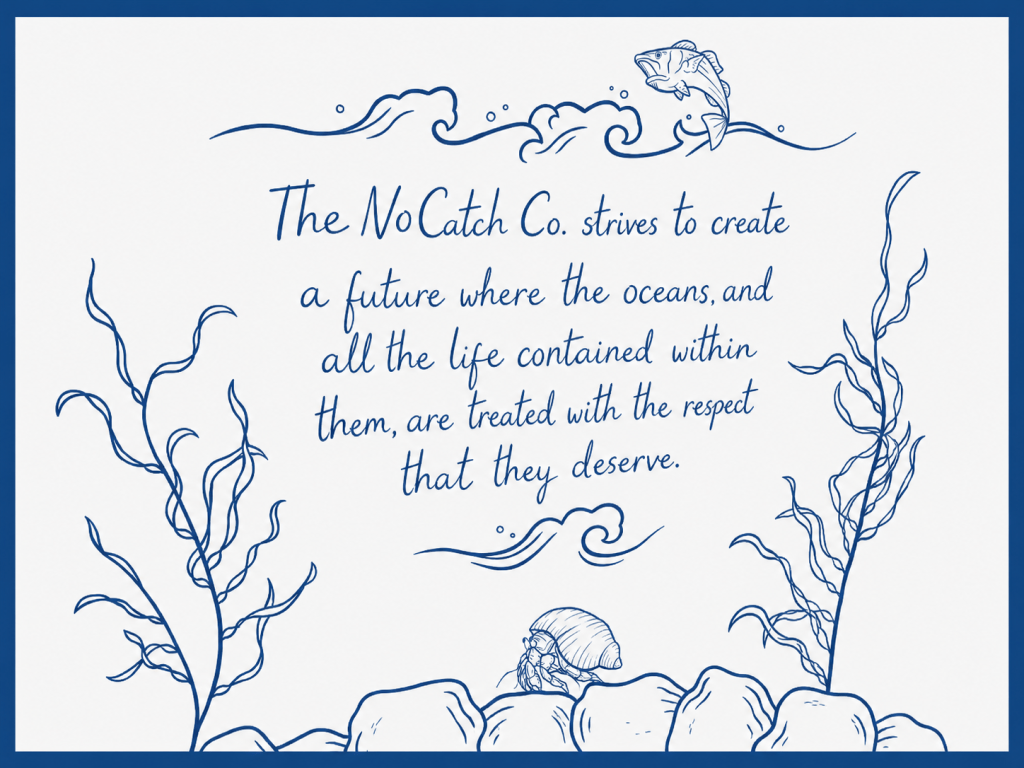
After taking the recipe on the road in the Off the Hook Truck and seeing the enthusiastic reactions from both vegans and meat-eaters, the pair decided there was room for a dedicated vegan fish and chip shop. Their aim wasn’t simply to recreate a British classic – it was to offer a sustainable alternative while encouraging people to think differently about seafood and the environmental impact of commercial fishing.
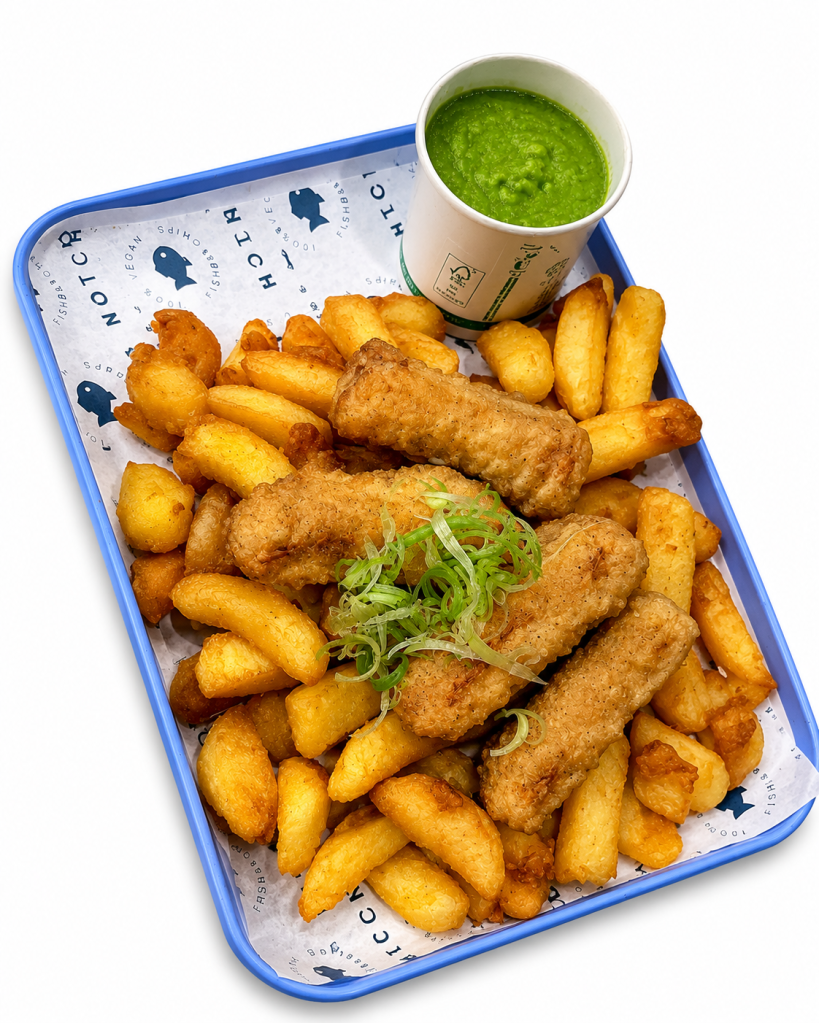
Batter galore: large sausage and chips, please
Nearly five years on, No Catch has become a fixture on Brighton’s seafront and remains closely connected to the ethos that inspired Unity Diner.
While Unity Diner continues to operate in London, with profits supporting animal sanctuary work through the Surge movement, No Catch has established its own reputation.
Respect for all beings: the message is clear
There’s always a queue at the door when it opens at 12:30, and it fills up incredibly quickly with hungry folks looking for a modern take on traditional seaside food. If you’re in the area, it’s a must.
Pretty much any kind of food can be reinvented as vegan. Asian cuisine calls out for marinated tofu and crisp, fresh vegetables. Fast food is equally easy to translate into plant-based dishes: burgers, sausages, chips and the like. Pasta has always been a standby for vegans of all ages and cooking abilities, from students on a budget to whole families, from humble ramen noodles to handmade ravioli. But me, what I’ve always missed most, is a damn fine pizza.
Which is why, every now and again, I simply have to visit Purezza, the UK’s first fully vegan pizzeria, founded in Brighton back in 2015.
Award-winning pizza: the one and only parmigiana party
It’s not that vegan pizza didn’t exist before that; it did. It’s just that many of its incarnations were, frankly, distinctly underwhelming.
The aim of Purezza was to change both the reality and the perception of vegan pizza. It certainly managed to do that.
The restaurant quickly built a loyal following thanks to its slow-fermented dough, blistered wood-fired crusts and carefully developed vegan mozzarella, before expanding to Camden in London and later Manchester.
This week I was lucky enough to visit Brighton, and was unable to resist the lure of a pizza. I’m far more familiar with the Camden branch, but the Brighton restaurant is every bit as good.
The One and Only Parmigiana Party really put Purezza on the map. When it was introduced, it reached the finals of a national pizza competition – a remarkable achievement for a vegan dish competing in an omnivore world. It features a tomato base, smoked vegan mozzarella, aubergine parmigiana, crumbled vegan sausage and a dusting of nutritional yeast.
The one with the truffle: also contains tofu, herbs and mozzarella
The One with the Truffle is my favourite and is made with a black truffle base, vegan mozzarella, wood-smoked tofu, wild mushrooms and micro herbs. Add a swirl of chilli oil, and you’re in pizza heaven.
Tomatoes and rocket: the salads are never dull
Alongside them came the deceptively simple Rocket Salad, a peppery tangle of leaves, sweet tomatoes and generous shavings of vegan parmesan. It was fresh, vibrant and the perfect foil to two gloriously rich pizzas.
Purezza by the sea: la dolce vita
Occasionally, I’ve managed to save a modicum of room for dessert, but this time, sadly, it was all about the pizza. I am, however, off to the Camden branch in two weeks, and determined to save that space for pudding. Famous last words!
Asian-inspired food served tapas style: a feast for the palate
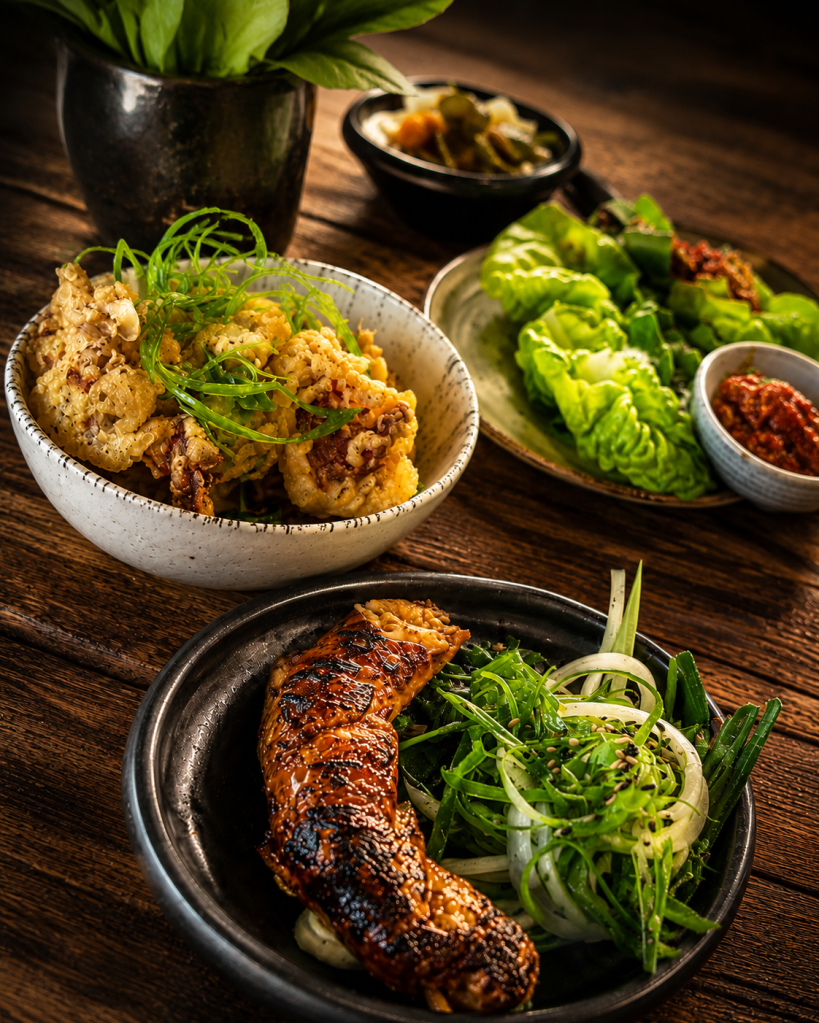
Bonsai Plant Kitchen is one of Brighton’s most talked-about restaurants, and it isn’t difficult to see why. What began as a lockdown takeaway in 2021 evolved into a pop-up before opening its permanent home on Baker Street in March 2022. Founded by Dom and Arlo and now led by chef Dominic Sherriff, the restaurant takes its inspiration from the intimate izakayas of Tokyo, the street food of Bangkok and the vibrant flavours of Vietnam. Cooking over traditional Japanese binchōtan charcoal, the result is a menu of Asian-inspired sharing plates that has earned multiple BRAVO Awards and a loyal following.
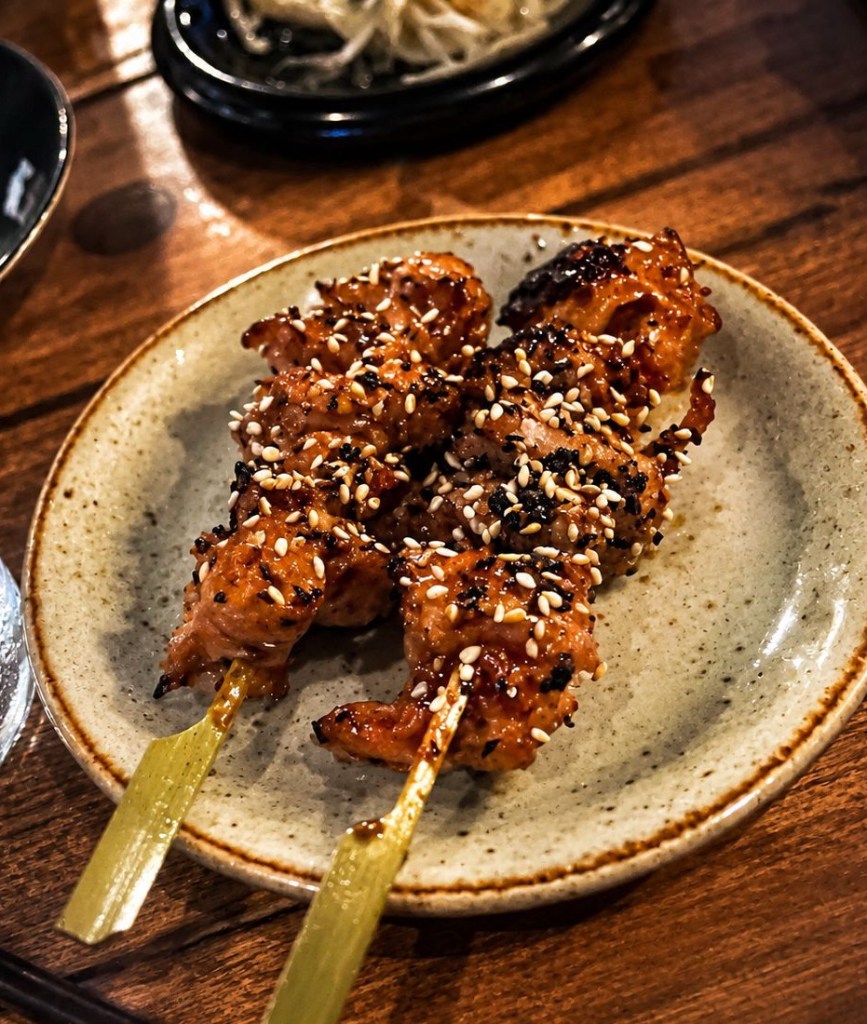
And just this once, I’m going to let the pictures tell the story.
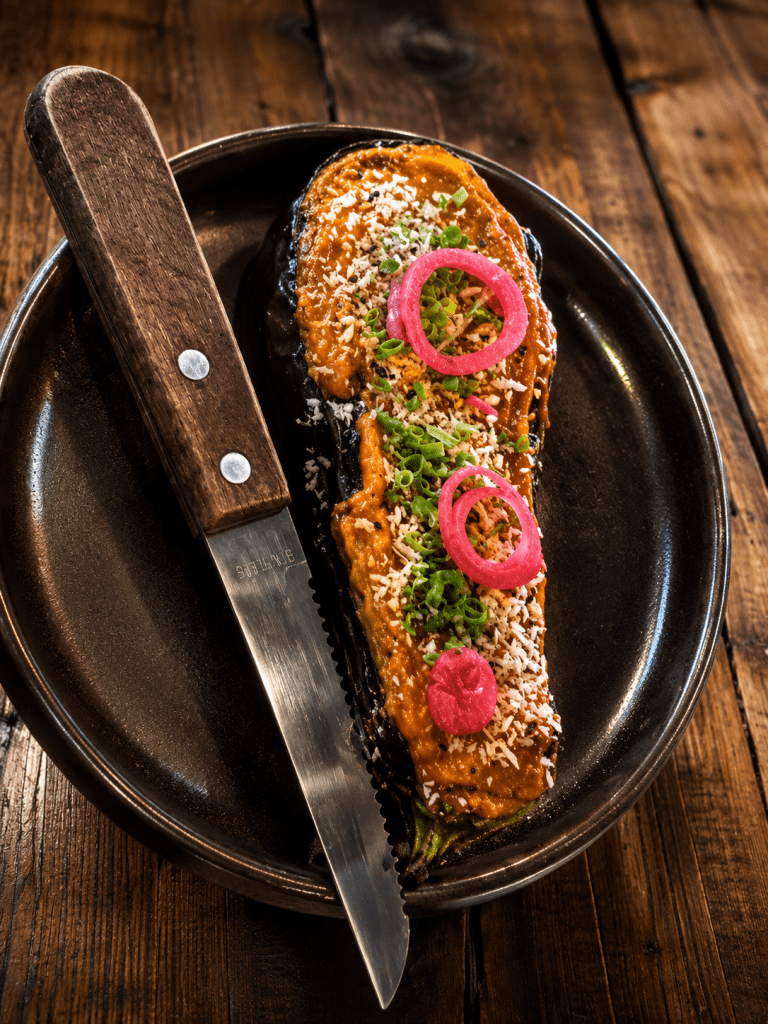
Yakitori skewers: chewy, ‘meaty’ and flavour-denseAubergine: chopsticks were not enoughDirty rice: crispy onions, mayo and a hint of magic make this comfort food
Ordering is an introvert’s delight. A tick sheet arrives at the table and you choose how many portions of each dish you’d like to share. The suggested three or four dishes per person proved about right, giving everyone the chance to sample a wide range of flavours. Friendly, knowledgeable service kept everything running smoothly, adding to the relaxed atmosphere. The food itself encourages conversation.
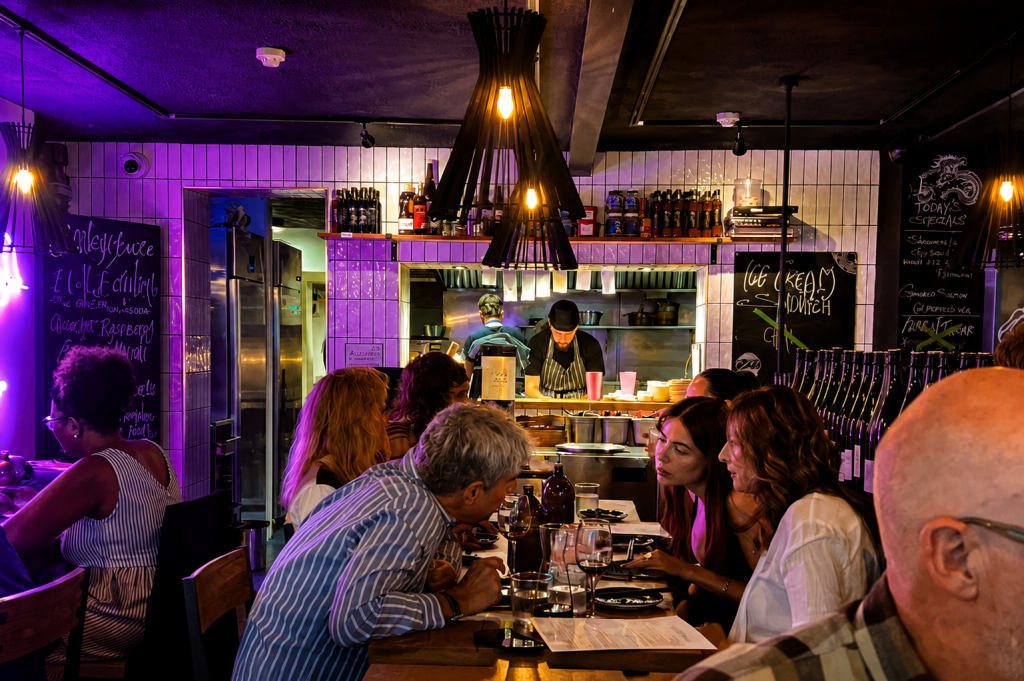
A loyal clientele: booking is vital at Bonsai Plant Kitchen
Personal favourites were the various skewers, with the yakitori being particularly delightful, along with the dirty rice and the daily special of tempura mushrooms. We were a table of six and ordered generously across the menu, yet there wasn’t a turkey among them.
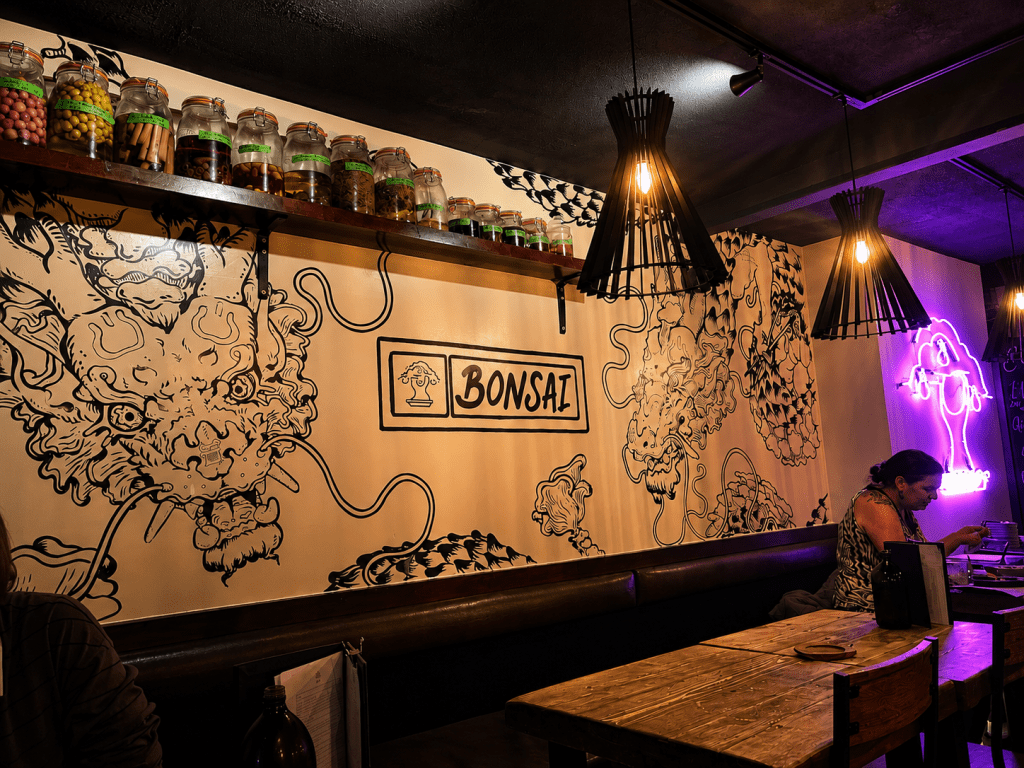
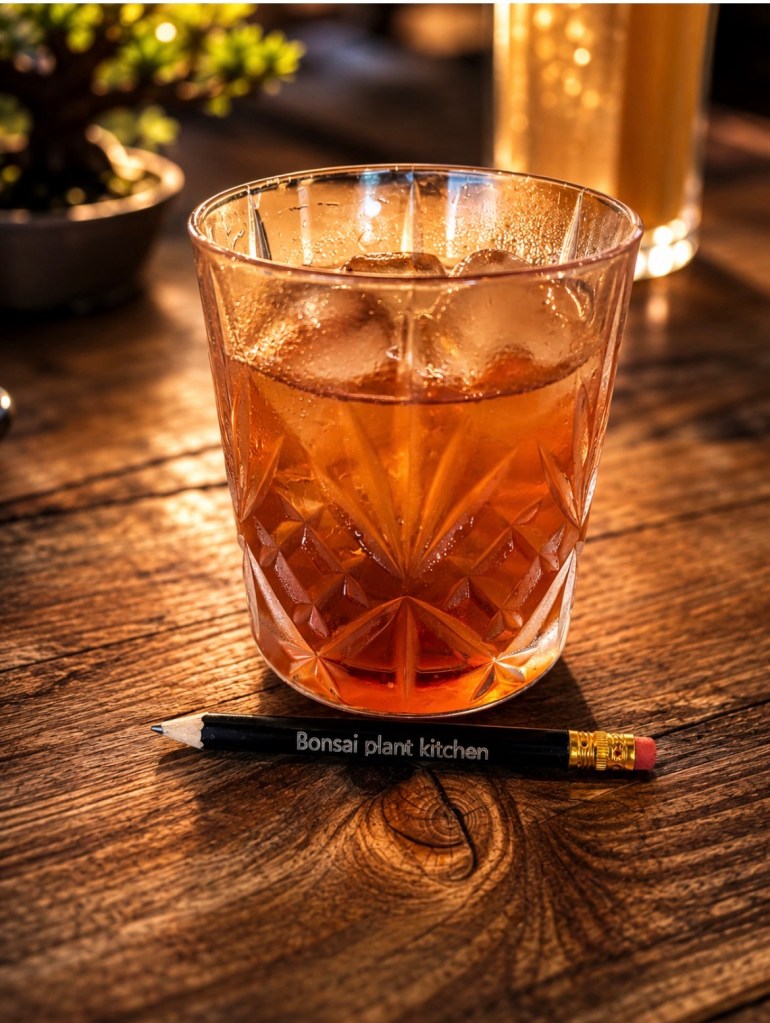
An eatery with character: the Japanese influence is reflected throughoutUnderscored with a plum old-fashioned: the pencil is a vital instrument
York has plenty of vegan options, but only three dedicated plant-based eateries. All are very different, but together they show a side of York that’s creative, independent and quietly confident. Whether you’re vegan, vegetarian or simply curious, these are places worth seeking out.
Tea By the Lock
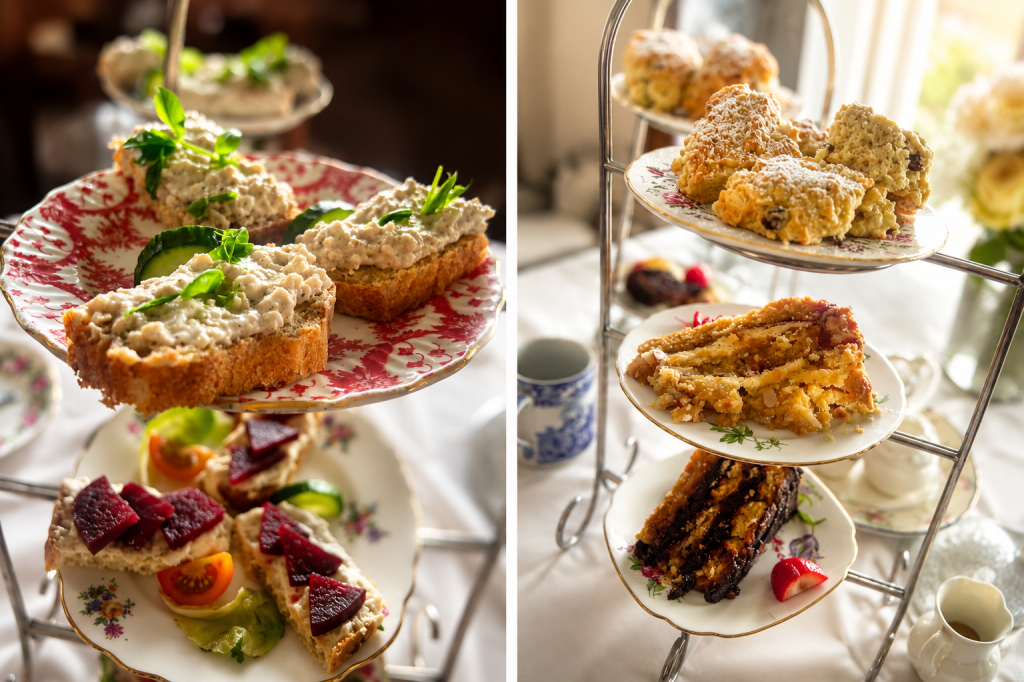
Savoury first: the vegan egg, beetroot, and cream cheese sandwiches followed by scones and cakes
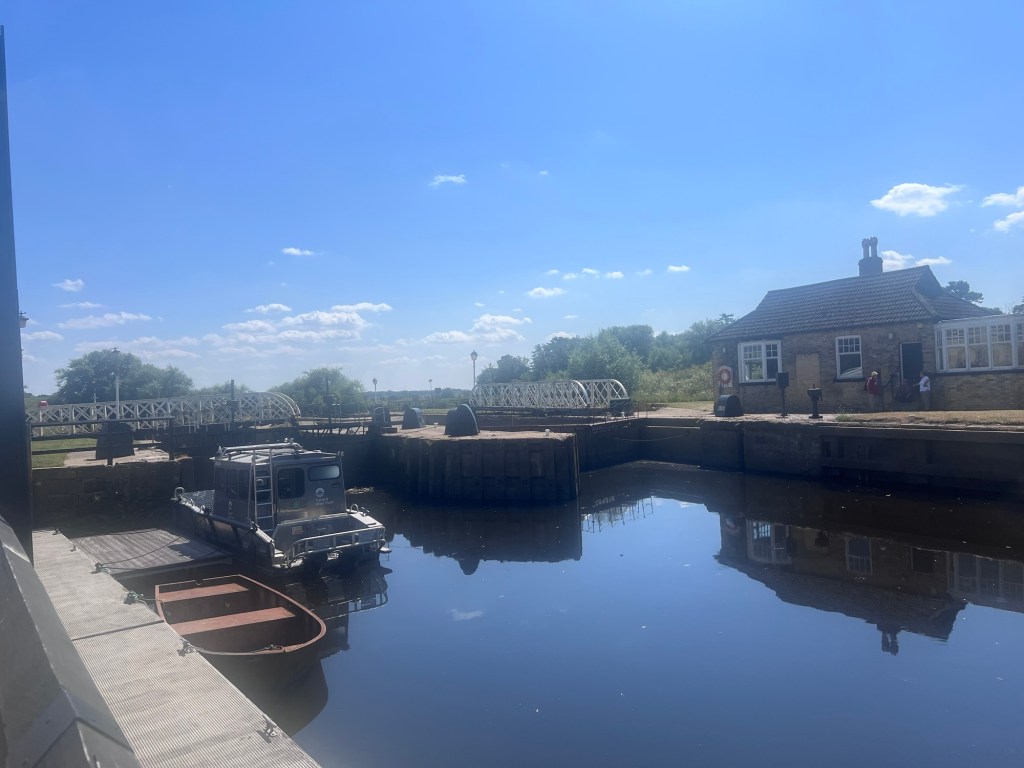
Out in the sticks a little is Tea By the Lock. Close to Naburn lock, and run for the past seven years in a large Georgian Hall by the wonderful Ruth Richards, this is simple traditional home-cooked comfort food in the British tradition. Pastries, cakes, sandwiches…. And a spectacular afternoon tea.
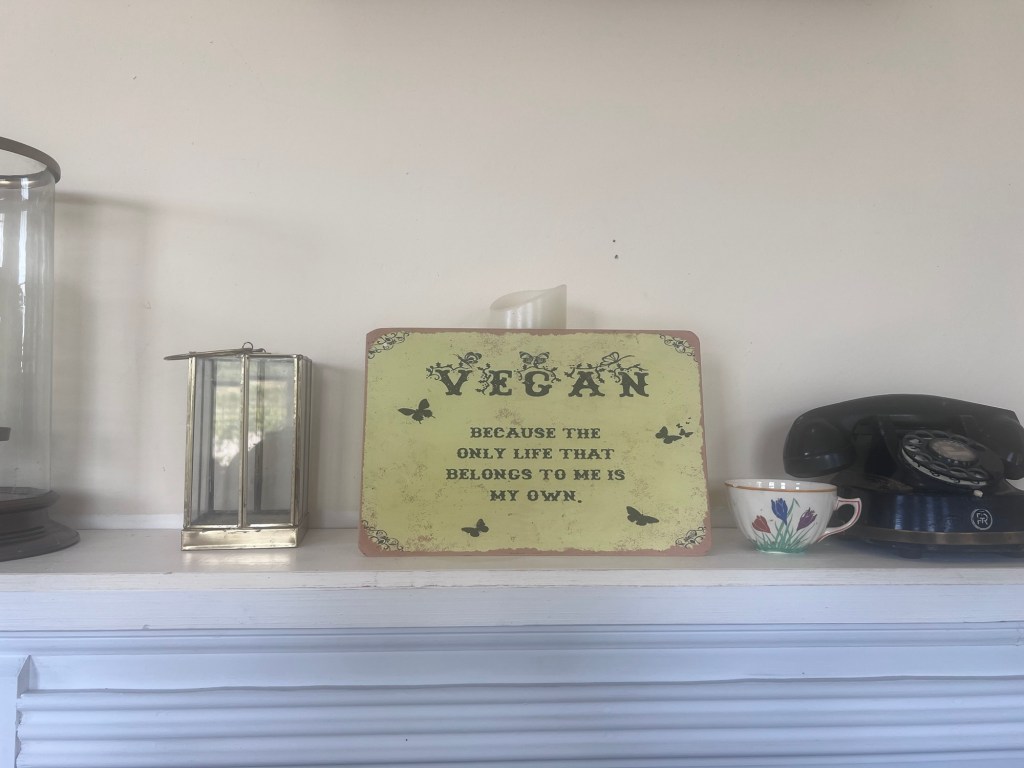
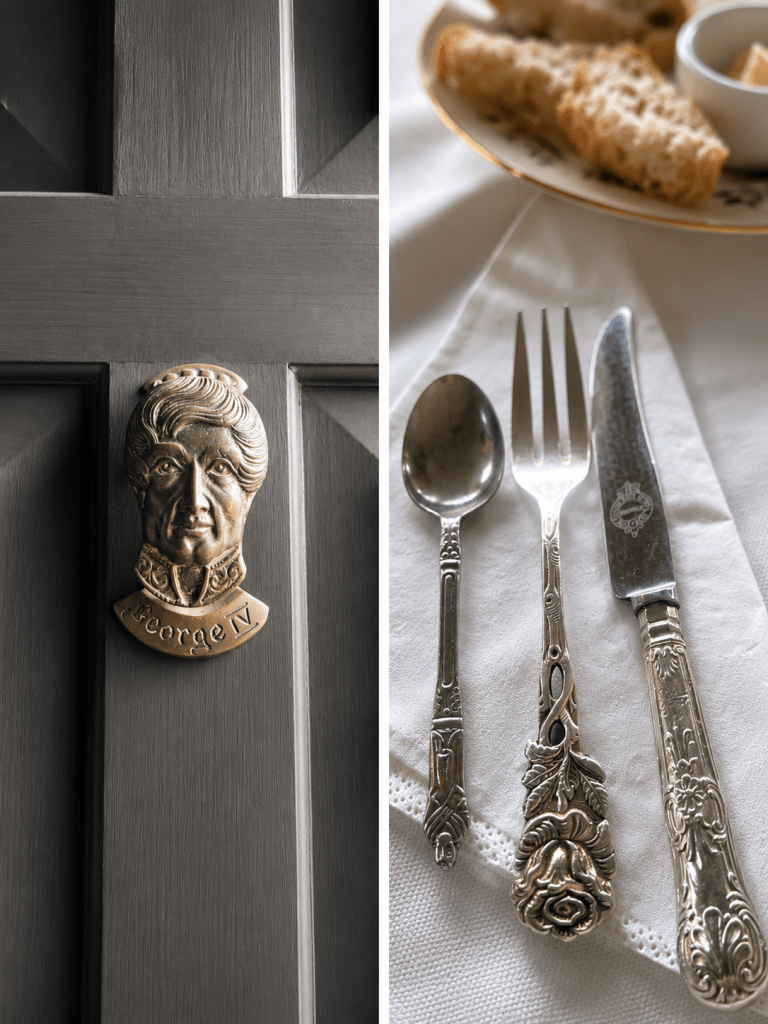
Wide appeal: only 15% of the customers are plant-basedUnder blue skies: popular with strollers and dog walkersStep back in time: an eclectic mix of crockery and artefacts
The task before us was a mammoth one, and we spent three hours trying to tackle this mountain of food.
“No-one ever manages to leave without a doggy bag,” Ruth told us, and we didn’t break the mould.
A palate-cleanser: sorbet and fresh strawberries
Vegan Orchid
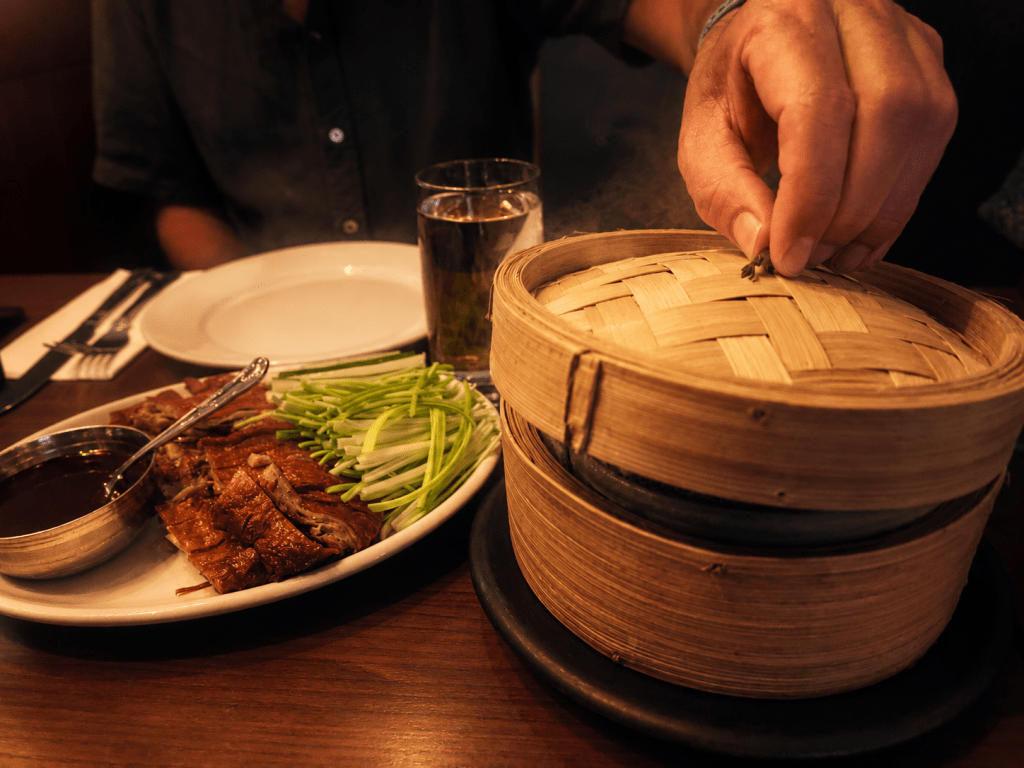
‘Duck’ pancakes for two: a popular starter
The Orchid was York’s first fully vegan Chinese restaurant and is without doubt my favourite dining place in the city. The menu draws on Chinese and wider Asian influences, with dishes that are as elegant as they are comforting.
Quirky Bird: a lovely selection of wine to accompany your choice of meal
With a strong focus on fake meats and tofu dishes, this restaurant is popular with herbivores and omnivores alike. Its opening hours are 6-9pm and booking is highly advised.
Junk Soul
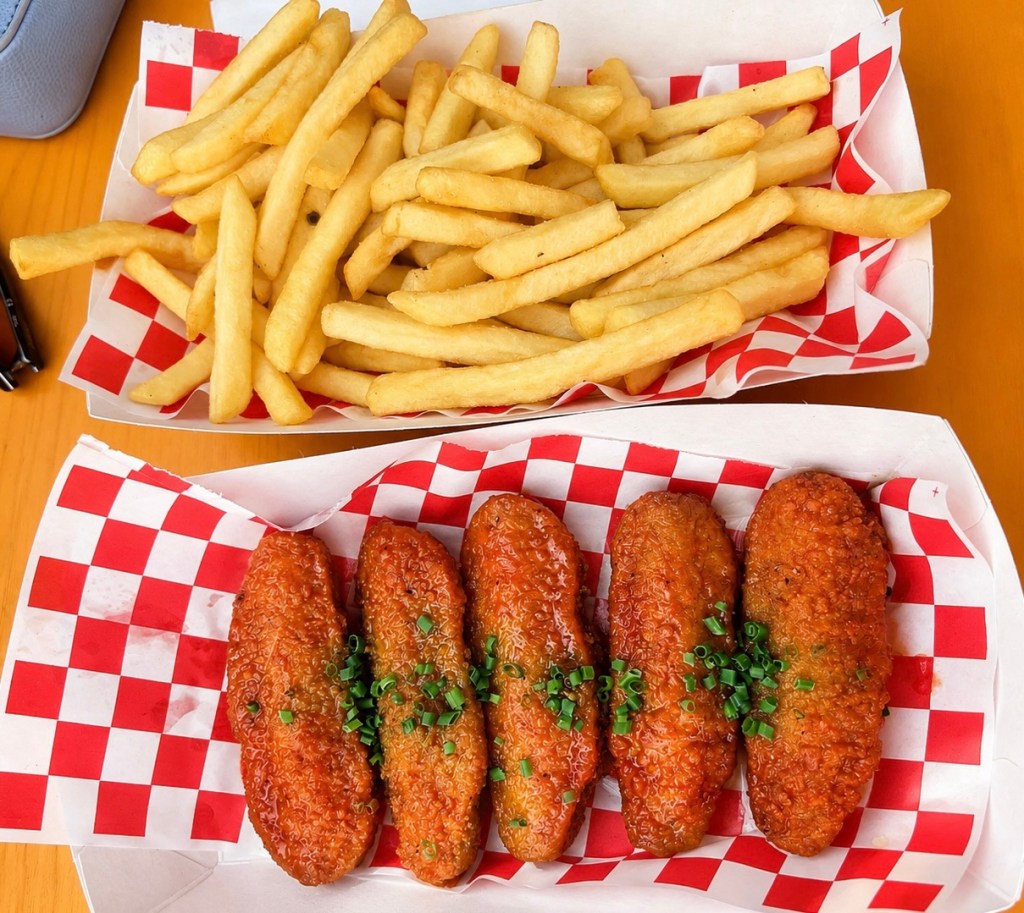
Fast food vegan-style: ‘honey’ dripping wings
Located in York’s Spark venue, Junk Soul serves unapologetically indulgent vegan fast food: smash burgers, loaded fries and burgers, earning itself a dedicated following.
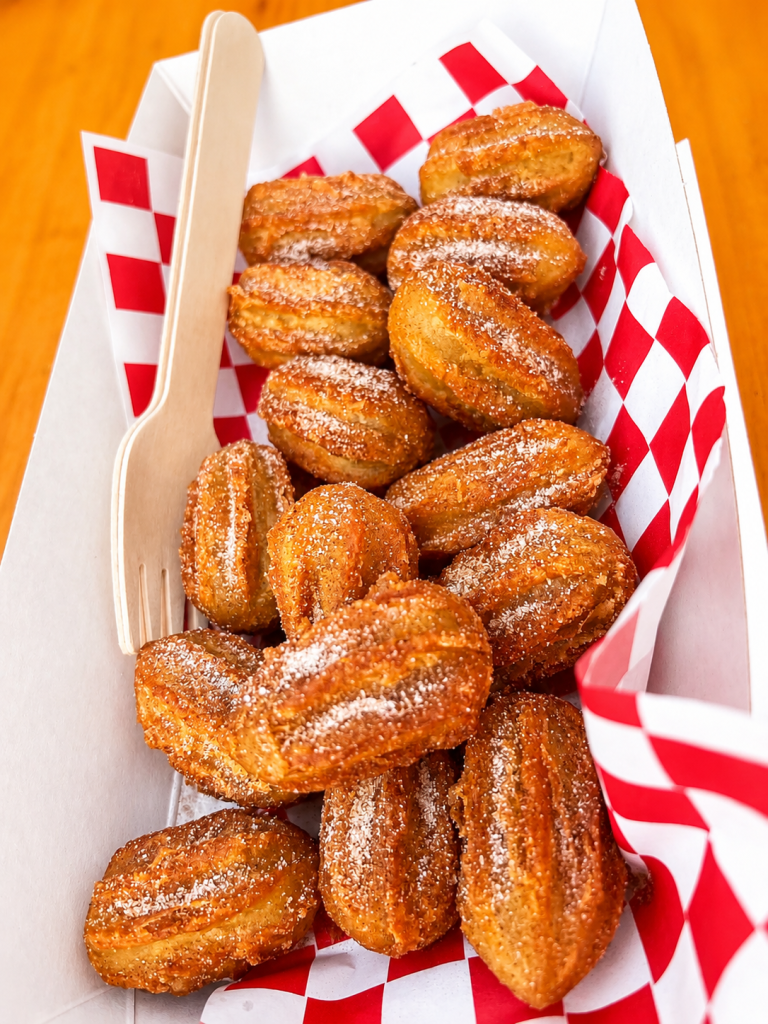
With a main branch in Beverley, and churros for dessert, this is a great place for a quick lunch, or to settle in for a longer session.
Spark: set the independent scene alight in York
Built from repurposed shipping containers, Spark has transformed a once-vacant city centre site into a vibrant hub for independent businesses, street food, artists and community groups. More than just a food market, it’s a place where start-ups can test ideas, creatives can showcase their work and local people can come together – all while supporting York’s independent spirit.
Plenty to share: round off your meal with these delicious tiny doughnuts
And so, with three very different plant-based eateries, and many other restaurants offering vegan options, York may be a small city, but it caters well for those looking for cruelty-free food.